History of Flight
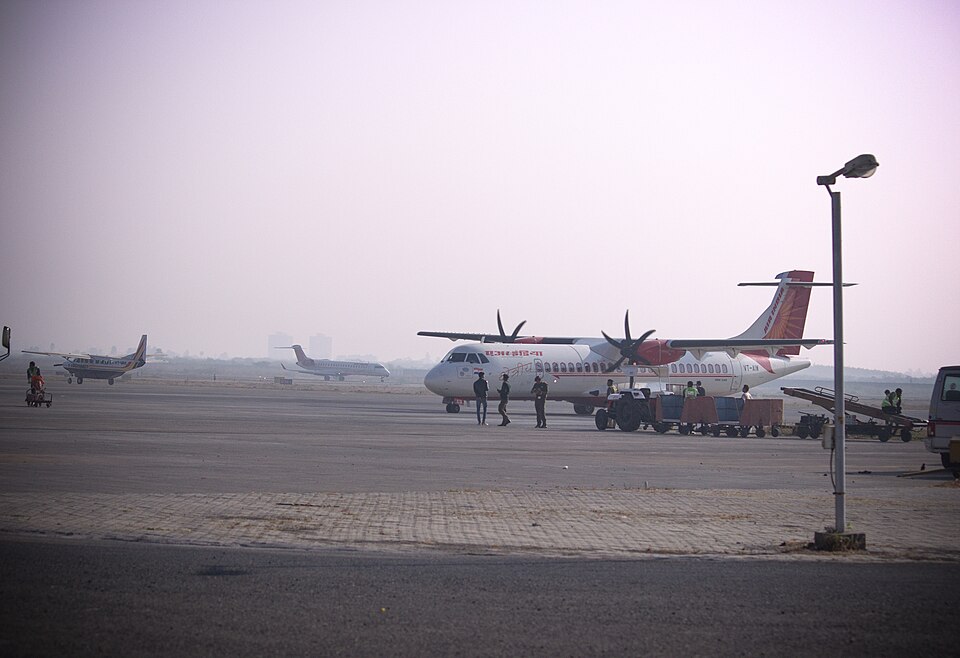
On 12 March 2022, Alliance Air flight 9I-9617, operated by an ATR-72-212A (600) aircraft bearing registration VT-AIW, was scheduled to fly from Delhi to Jabalpur. The flight crew consisted of an ATPL holder as Pilot in Command and a CPL holder as Co-Pilot, with two cabin crew members. There were 55 passengers on board. The aircraft departed from Delhi Runway 29 at 0553 UTC and cruised at FL170. The approach to Jabalpur was initially uneventful.
Incident Sequence
During landing on Runway 24 at Jabalpur, the aircraft crossed the threshold at a height of approximately 60 feet. It then floated for about 19 seconds before making a late touchdown more than halfway down the runway. The aircraft bounced and touched down again at approximately 1600 meters from the beginning of Runway 24. With only about 400 meters of runway remaining for braking, the aircraft continued to roll and began to deviate left of the runway centerline. It exited the runway and entered the Runway End Safety Area (RESA).
Aftermath
The aircraft continued rolling within the RESA and came to a halt about 60 meters ahead of the runway end and 45 meters left of the runway centerline. Airport Rescue and Fire Fighting vehicles arrived at the scene. No fire or fuel leakage was found, so no extinguishing agents were used. All passengers deplaned safely and were transported to the arrival area. The occurrence was classified as a Serious Incident.