Incident Overview
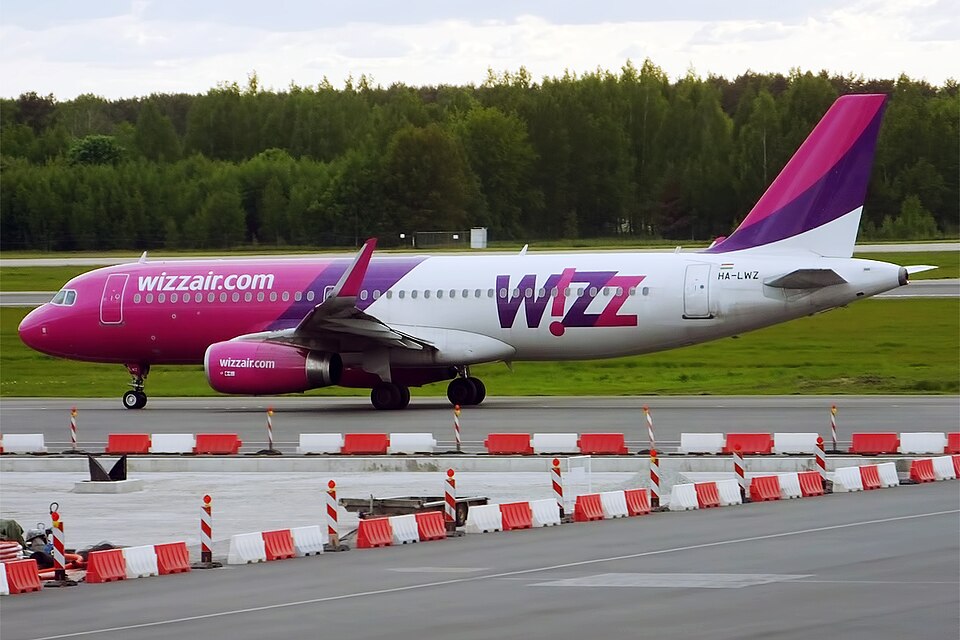
On Saturday 11 June 2022, Wizz Air flight W6-2151, operated by an Airbus A320-232 (registration HA-LWZ), was en route from Szczecin Airport Goleniow (Poland) to Bergen Airport Flesland (Norway). During the descent, cabin crew were alerted by passengers about a fire in the forward part of the cabin. One passenger's cell phone had overheated, produced smoke, and caught fire without an obvious cause. The owner attempted to remove the battery and sustained minor burns.
Response and Emergency Declaration
The cabin crew immediately initiated procedures for fighting lithium-ion battery fires. They equipped themselves with water, handheld BCF fire extinguishers, fireproof gloves, and breathing equipment. The flight crew was informed and declared an emergency, using the MAYDAY call.
The cell phone was first cooled with water, which stopped the fire and smoke. It was then placed in a metal container, filled with water, and secured in one of the aft lavatories. The container was monitored for the remainder of the flight. No further incidents occurred.
Damage and Injuries
The cell phone was completely destroyed, and the cabin carpet sustained fire damage. One passenger suffered minor injuries but declined medical assistance.
Lithium-Ion Battery Fire Characteristics
Lithium-ion batteries can undergo a thermal runaway if internal temperature exceeds about 80°C, leading to a self-sustaining chemical reaction. This can be triggered by external heat, overcharging, short circuits, or contamination. During thermal runaway, flammable, toxic, and acidic gases are released, along with oxygen, making the fire self-sustaining. Temperatures can reach 900°C, with jet flames exceeding 1,000°C.
Aircraft and Equipment
The aircraft, an Airbus A320-232, was equipped with mandatory handheld fire extinguishers and portable breathing equipment. Wizz Air's battery fire kit included heat-resistant gloves, two special extinguishers providing cooling, and a fire-resistant containment bag. The airline also provided an extra pair of fireproof gloves in the cabin.
Investigation Findings
The Norwegian Safety Investigation Authority (NSIA) assessed that the cell phone battery experienced a thermal runaway and released gases, likely resulting in an electrolyte fire. However, ignition of metals or solids was considered unlikely. The crew's quick and effective handling of the situation was commended. They had appropriate equipment and followed procedures to cool and contain the battery until landing. The NSIA recommended that operators equip both cabin and cockpit with fireproof gloves and ensure regular training for thermal runaway procedures. No safety recommendations were proposed.