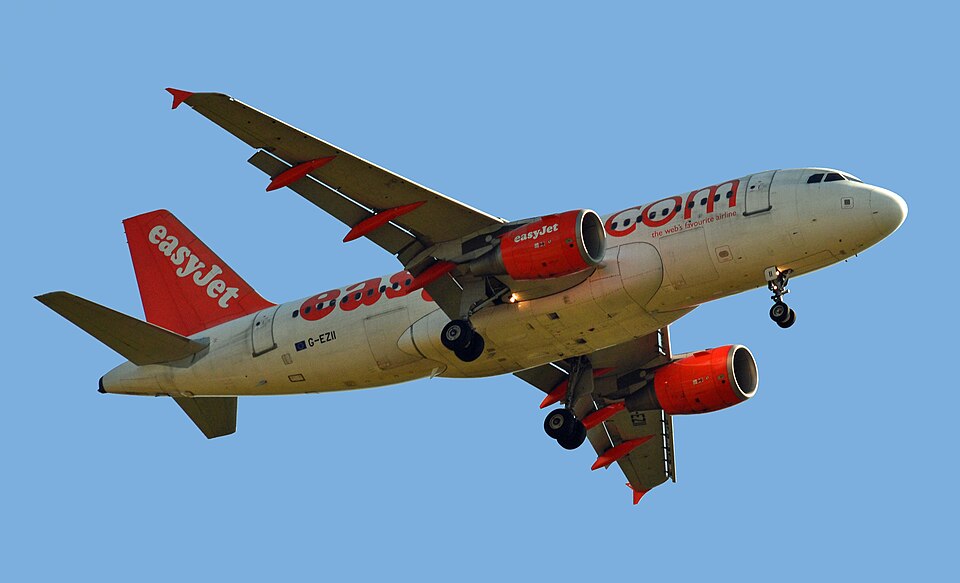
Accident Overview
On January 1, 2018, an easyJet Airbus A319-111, registration G-EZII, was conducting a scheduled passenger flight from Milan Malpensa Airport (Italy) to Barcelona El Prat Airport (Spain). The aircraft carried 145 passengers, two pilots, and four cabin crew members. At approximately 19:40 UTC, while descending to Barcelona at flight level 195 and about 80 nautical miles northeast of the airport, the aircraft encountered turbulence.
Sequence of Events
The flight had been normal, with light to moderate turbulence reported. During the descent, with the seatbelt sign illuminated and the cabin secured, a cabin crew member in the rear galley stood up to retrieve a bottle of water. At that moment, the aircraft experienced a sudden severe jolt, causing the crew member to fall to the floor and twist their right wrist. Due to continuing turbulence, they could not immediately return to their seat. The captain issued a warning for everyone to remain seated. Once the turbulence subsided, the crew member returned to their seat. The flight continued and landed normally at Barcelona.
Injuries and Damage
One cabin crew member sustained serious injuries. The aircraft was not damaged.
Investigation Findings
The investigation determined that the accident occurred because the injured cabin crew member left their seat while the seatbelt sign was illuminated due to a turbulence warning, at the moment of a sudden increase in turbulence.