Incident Overview
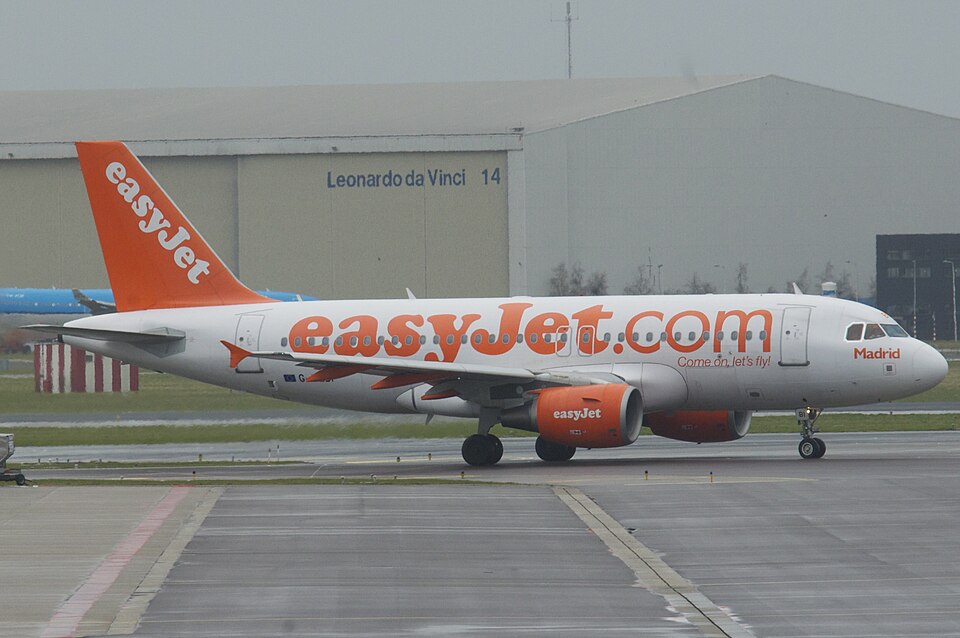
On 29 August 2019, an Airbus A319-111, registration G-EZBI, operated a commercial passenger flight from Nice Côte d’Azur Airport, France. During pre-flight preparation, the flight crew calculated takeoff performance based on the most limiting intersection, Bravo 3 (B3), on Runway 04R. The aircraft departed from intersection Alpha 3 (A3), which provided 316 m more runway length than B3. At lift-off, the commander noted that the departure end of the runway appeared closer than expected but did not perceive other performance issues.
Flight Crew Actions
The two pilots independently performed takeoff performance calculations using electronic flight bags (EFBs). They cross-checked their outputs and found a 1 kt discrepancy in takeoff speeds, which they considered acceptable. They used the more conservative figures. As they taxied, air traffic control offered a departure from A3, which they accepted, believing they had the B3 performance data entered. After the flight, the operator’s flight data monitoring program detected the calculation error.
Performance Calculations
Subsequent analysis of recorded flight data and the crew’s calculations revealed that both pilots had inadvertently selected intersection Quebec 3 (Q3) instead of B3. Q3 provided 701 m more runway than B3. The mis-selection was not caught during a departure point distance check or during the cross-check of EFB outputs. The operator’s standard operating procedures required independent calculations and validation, but the identical errors negated the cross-check.
Investigation Findings
The investigation found that the EFB software’s user-interface was a factor in the error. The commander described the interface as “clumsy” and noted that B3 and Q3 appeared adjacent in the selection list, making mis-selection easy. The operator was in the process of updating the performance software to a graphical representation of runway characteristics. Additionally, the aircraft manufacturer was developing an enhanced automatic takeoff surveillance system (TOS2) for the A320 family, which could have provided an independent check. The incident aircraft was not TOS2-capable.
Conclusion
The incident resulted from identical independent errors not being trapped by a takeoff run available cross-check or by EFB output validation. Revised software with graphical runway presentation and automated systems like TOS2 were identified as potential future barriers.