Synopsis
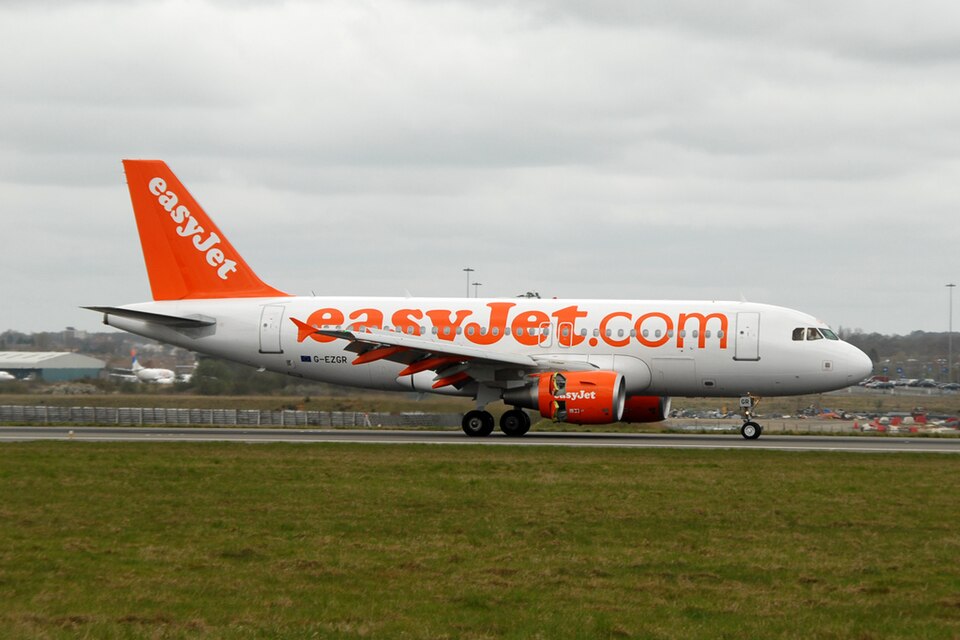
On 30 September 2018, an Airbus A319-111, registration G-EZGR, operated a commercial passenger flight from Stansted to Glasgow. During the approach to Glasgow International Airport, the co-pilot experienced anxiety that developed into an anxiety attack, leaving the flight deck. The commander, air traffic control, and cabin crew coordinated to achieve a safe single-pilot landing and arrange medical assistance for the co-pilot.
History of the flight
The previous day, the same commander and co-pilot had flown together from Glasgow to Palma de Mallorca and back. During the approach to Palma de Mallorca, at approximately 30 ft, a wind change displaced the aircraft toward the runway edge. The commander took control during the flare and executed a go-around.
On 30 September, the crew flew from Glasgow to Stansted with the commander as pilot flying. The return flight to Glasgow proceeded normally with the co-pilot as pilot flying. Over the course of this flight, the co-pilot began to suffer from anxiety. During the approach, the commander mentioned windshear. Immediately after, the co-pilot felt unable to continue operating the aircraft and left the cockpit.
The commander took control, checked the flight instruments, and decided to continue the approach. He instructed the senior cabin crew member to assist the co-pilot. The commander declared a PAN to Glasgow RADAR, advising single-pilot operation. The ATCOs minimized frequency changes and arranged medical assistance. The commander completed the landing successfully.
The ambulance crew concluded that the co-pilot had suffered an anxiety attack.
Peer support and employee assistance programs
The operator provided a peer support program intended to support flight crew with any issue. Pilots could request a call from trained volunteer pilots via a website, with an option for urgent callbacks within 12 hours. The program was launched in December 2017 for UK-based pilots via an Administration Notice, with a full launch in October 2018 after the incident. The operator also offered an employee assistance program with a 24-hour phone service, provided to all new employees during induction.
Commander’s comments
The commander recalled the co-pilot seemed fine during the debrief after the go-around. On the return flight to Glasgow, the co-pilot appeared subdued and annoyed with himself, but the commander did not consider it cause for concern. On the morning of the incident, he inquired about the co-pilot’s wellbeing but observed no signs of distress. He did not recall why he mentioned windshear but noted turbulence is common at Glasgow. He praised ATC and cabin crew for minimizing his workload during the single-pilot approach.
Co-pilot comments
The co-pilot reported that the wind change and go-around at Palma de Mallorca was his first such experience in the aircraft and he found it frightening. He had difficulty making control inputs during the flare and feared touching down at the runway edge. He discussed the go-around with the commander, stating he felt frightened and had not slept well, but did not feel able to discuss it further. He felt some of the commander’s comments reinforced his impression that the event was serious.
The night before the incident, he slept about four hours, thinking about the go-around. He was aware of fatigue reporting procedures but felt well enough to fly. During the flights to and from Stansted, he felt increasingly nervous and was over-thinking the need for a good approach. His emotions and physical symptoms overwhelmed him. At the time, he was not aware of the peer support or employee assistance programs.
Analysis
The co-pilot’s anxiety was triggered by the wind change and go-around, a normal event practiced in simulators but new to him in the aircraft. He reported feeling frightened, leading to self-criticism and performance pressure. The commander’s comment about windshear may have caused the anxiety to develop into panic. The co-pilot’s lack of sleep likely reduced his ability to cope. Differences in the pilots’ recollections suggest ineffective communication about emotional issues. The co-pilot had the responsibility not to fly if unfit, but felt well enough and hoped a good approach would restore confidence. The peer support program was new and not fully publicized. The co-pilot was later assessed fit to return to flying after support. The commander, ATC, and cabin crew effectively managed the single-pilot landing and emergency access.
Conclusion
The co-pilot experienced anxiety that developed into an anxiety attack during the approach. The commander, ATC, and cabin crew worked together effectively to achieve a safe single-pilot landing and obtain medical help. The incident might have been prevented by the co-pilot reporting unfit for duty, more effective communication, or use of peer support or assistance programs.