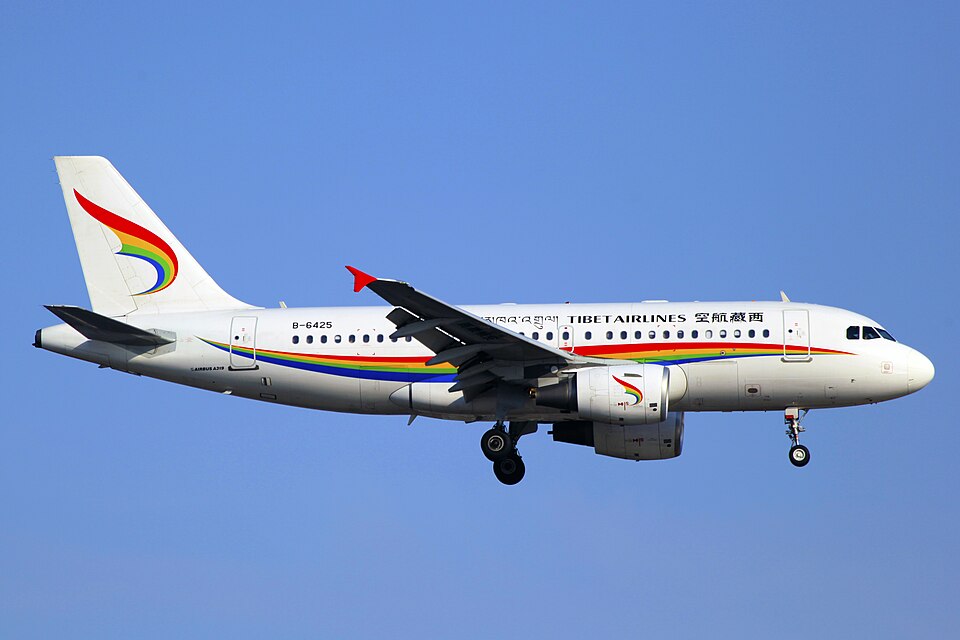
What happened
During the takeoff phase at Chongqing-Jiangbei Airport, an aircraft type traveling from Jiangbei to Nyingtri, Tibet, experienced a critical incident on runway 03. The flight, carrying 113 passengers and a crew of nine, was in its takeoff roll when the captain decided to abandon the procedure at a speed of approximately 145 knots.
As the pilot attempted an emergency braking maneuver, the aircraft began to deviate toward the left. The plane exited the runway, traversing a grassy area before striking a parallel concrete taxiway. This impact resulted in the shearing off of the nose gear. The aircraft continued for another 120 meters until it struck a drainage ditch, which caused the loss of both main landing gears and both engines. Following the collision, the aircraft caught fire.
Findings
Investigations into the accident revealed that the captain became distracted by items falling within the cockpit, leading to a momentary lapse in monitoring the flight sequence. During this distraction, the pilot unintentionally applied left rudder, causing the unplanned deviation.
Furthermore, the crew did not perform the required standard callouts during the event. The decision to reduce throttle and apply maximum braking while the aircraft was deviating prevented the crew from maintaining control. Ultimately, poor decision making by the crew was identified as the primary factor in the excursion.
Despite the destruction of the aircraft, there were 36 injuries reported, while all other occupants managed to evacuate the wreckage safely.