What happened
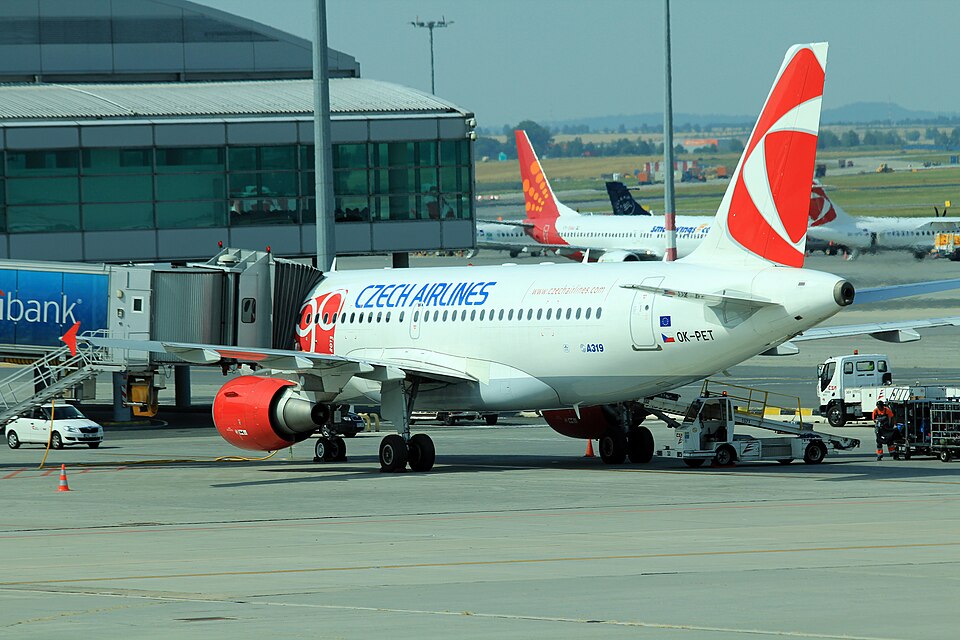
On the afternoon of 3 August 2018, a Czech Airlines Airbus A319 (registration OK-PET) was taxiing toward runway 22R at Helsinki-Vantaa Airport, prepared for a scheduled flight to Prague. During the taxi phase, passengers and cabin crew detected grey smoke in the middle of the cabin. As the smoke thickened, cabin attendants used the interphone to alert the purser, who then notified the captain.
The captain halted the aircraft on the taxiway. Following the report of smoke, the crew initiated an emergency evacuation. During the process, the use of emergency slides led to complications; some passengers rushed past others, and some children were trampled. Additionally, passengers stumbled over carry-on luggage left in the aisles. The evacuation resulted in 26 passengers sustaining minor injuries.
The investigation
The investigation examined the sequence of events, the smoke generation, and the effectiveness of the evacuation and rescue operations. Investigators analyzed the aircraft's flight data recorder (DFDR) and cockpit voice recorder (CVR), as well as interviews with crew and passengers. The investigation also reviewed the coordination between Air Traffic Control (ATC), airport security, and the various rescue departments involved in the response.
Findings
- The smoke was detected in the cabin while the aircraft was taxiing.
- The captain believed the smoke originated in the cargo compartment.
- The evacuation was initiated by the cabin crew after the captain provided authorization.
- The engines were still running during the evacuation, which caused the emergency slides to flap and move askew due to jet blast, complicating the deplanable process.
- The evacuation process was hindered by obstacles in the aisle, such as carry-on luggage, and the behavior of passengers rushing through the cabin.
- The investigation noted that the current airport escort arrangements did not guarantee unhindered access for rescue authorities to the maneuvering area during active operations.