History of Flight
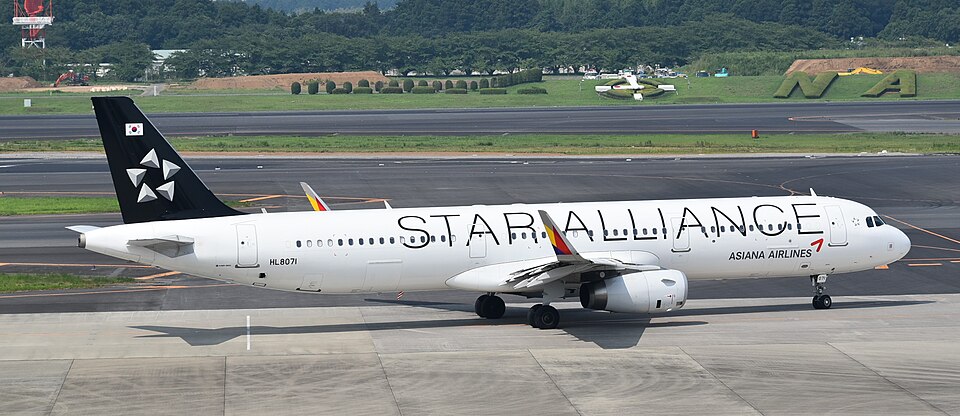
On 29 October 2019, Asiana Airlines flight AAR717, an Airbus A321-200 registered as HL8071, departed Incheon International Airport at 16:34 KST bound for Kaohsiung International Airport in Taiwan. The aircraft carried 9 crew members and 145 passengers. Approximately 30 minutes before arrival, the captain, who had been performing pilot monitoring, gave an approach briefing and then took over as pilot flying. About 20 minutes later, while the first officer was waiting for a printout of destination weather requested via ACARS, he suddenly lost consciousness at 19:09 KST, while the aircraft was about 60 nautical miles north of Kaohsiung.
Crew Response
The captain assessed the first officer's condition using verbal and physical stimuli, including calling and touching him. Concluding that the first officer was incapacitated, the captain called for cabin crew assistance. Two cabin crew members entered the flight deck. The captain instructed them to push the incapacitated pilot's seat backward to prevent interference with controls and to search for medical professionals among the passengers. The captain assumed full control of the aircraft.
Landing and Outcome
The captain declared an emergency and landed the aircraft safely at Kaohsiung International Airport at 19:31 KST. The Taiwan Transportation Safety Board (TTSB) was notified and subsequently delegated the investigation to the Aviation and Railway Accident Investigation Board (ARAIB) of the Republic of Korea. The ARAIB reported no injuries to persons and no damage to the aircraft as a result of this serious incident.
Investigation Findings
The ARAIB determined that the cause of the serious incident was "loss of consciousness of unknown cause." Contributing factors identified included lack of awareness about sleep deprivation, lack of individual fatigue management, and lack of safety culture within the organization and safety mindset of employees regarding fatigue management. The ARAIB issued four safety recommendations to Asiana Airlines.