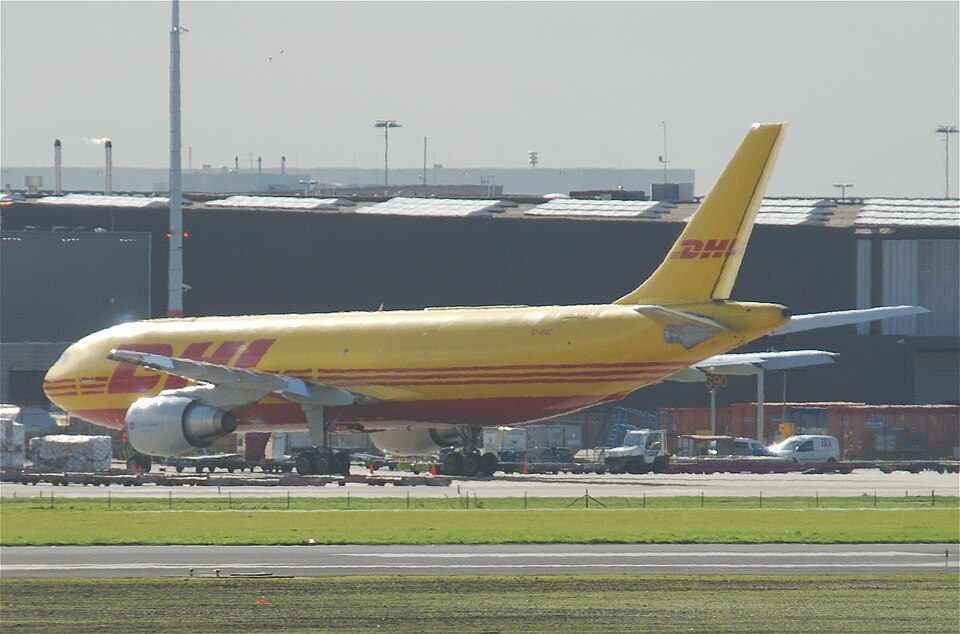
Flight and Approach
The crew departed Leipzig Airport at 0438LT for a flight to Bratislava Airport, Slovakia. The flight was uneventful, lasting approximately 45 minutes. The captain was pilot flying. Air traffic control cleared the crew for an ILS approach to runway 22. During descent, the controller reported wind from 120° at 7 knots. The crew set slats and flaps to 25°, armed antiskid and autobrake in MED mode. The approach was stable until touchdown.
Landing and Runway Excursion
The main landing gear touched down about 700 meters from the threshold of runway 22. The crew deployed thrust reversers. About six seconds after nose gear touchdown, the crew felt strong vibrations that increased as speed decreased. At 85 knots, the thrust reversers were retracted. The aircraft veered left. The pilot flying applied energetic braking and attempted to counter the rocking with rudder pedals and nose gear steering, but the sequence occurred too quickly for differential braking. The aircraft exited the runway to the left at about 45 knots. The nose gear struck a concrete inspection pit for runway lighting electric cables and collapsed. The aircraft skidded for several dozen meters before stopping. The crew evacuated. From the start of vibrations to stop, the aircraft rolled about 400 meters.
Investigation Findings
The probable cause determined by the investigation was: Incorrect installation of one or more washers on the nose gear torque link centre hinge made it impossible to lock the hinge shaft nut effectively. The unscrewing and detachment of the nut in service caused loss of nose gear steering. Free on its axle, the nose gear bogie began to shimmy, causing the aircraft to veer left. The runway excursion was due to incorrect and undetected re-assembly of the nose gear torque links. Despite a detailed diagram, the absence of clear and detailed instructions in the manufacturer's AMM text allowed the incorrect assembly. The nose gear failure was due to collision with an obstacle in the runway strip. The absence of regulations requiring that equipment near runways be designed to limit damage to aircraft contributed to the accident.