What happened
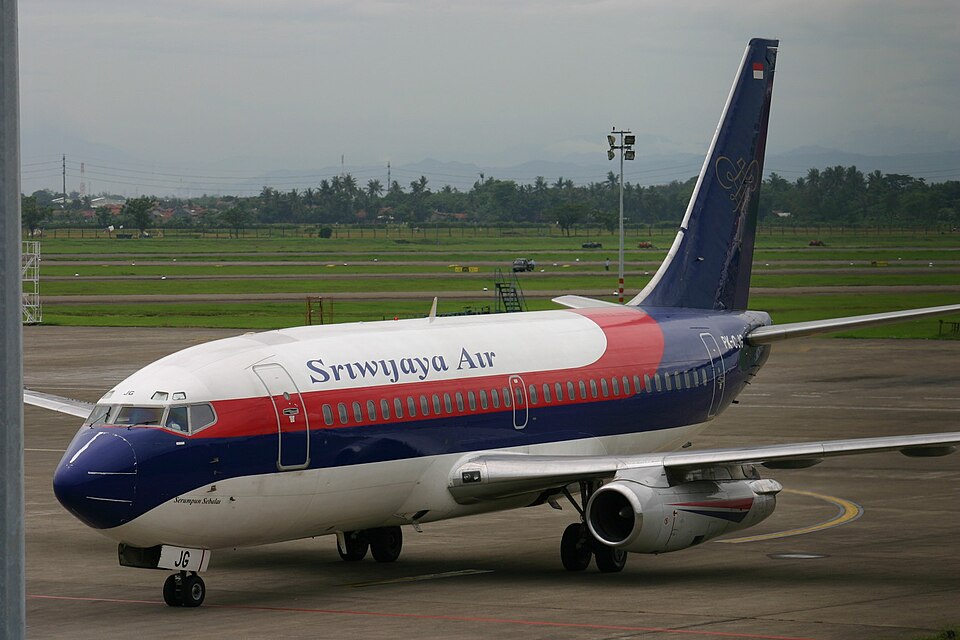
On 27 August 2008, a Boeing 737-200, registration PK-CJG, was performing a scheduled flight from Jakarta to Jambi. The aircraft was carrying 124 passengers and 6 crew members. During the descent toward Sultan Thaha Airport, the crew experienced a significant technical failure when the hydraulic system A quantity indicator dropped to zero and a low-pressure warning illuminated while the aircraft was descending through 2500 feet.
Despite the loss of hydraulic pressure, the pilot decided to proceed with the landing on runway 31. During the landing roll, the crew encountered difficulties engaging the thrust reversers and relied on manual braking. The aircraft failed to decelerate sufficiently, drifting from the centerline and exiting the end of the runway. The aircraft came to a rest in a field approximately 6 meters below the runway level.
During the excursion, the aircraft struck three farmers located near the runway perimeter. This impact resulted in one fatality and two serious injuries. Following the stop, the crew attempted emergency ground procedures, but encountered further complications including non-functional radio communications and an inability to shut off engine fuel levers. The aircraft's landing gear and engines detached during the event. While the evacuation was conducted without a formal command from the pilot, all 130 people on board successfully exited the aircraft.
Findings
- The loss of hydraulic system A occurred at roughly 1,600 feet, providing the crew with enough time to perform a missed approach and evaluate the situation.
- The aircraft's failure to decelerate was caused by a touchdown speed 27 knots above Vref combined with the failure to deploy speed brakes.