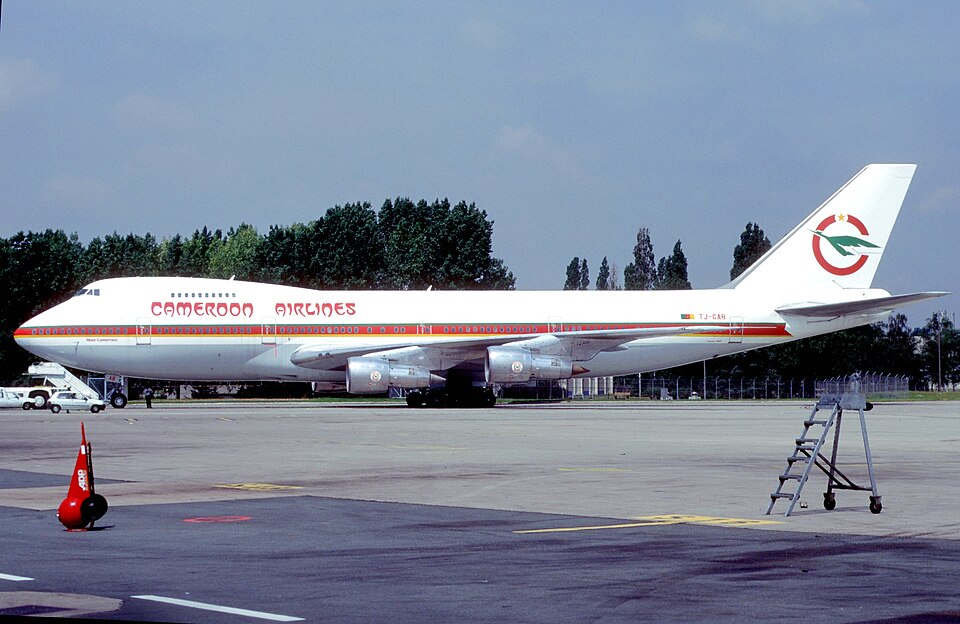
Accident Overview
An aircraft operating a flight from Douala to Paris-Roissy-Charles de Gaulle Airport experienced a runway excursion after landing. The approach and touchdown occurred during nighttime conditions with poor weather. The runway in use was 09R, which was wet.
Sequence of Events
After an uneventful flight, the crew began the descent to Paris-Roissy-CDG. Following touchdown on the wet runway, the crew initiated braking procedures. Shortly thereafter, the aircraft went out of control, veered to the right, and departed the runway. It crossed a grassy area before coming to rest between taxiways Z6 and Z7. During the excursion, the nose landing gear separated from the aircraft and penetrated the fuselage.
Damage and Evacuation
All 203 occupants evacuated the aircraft safely. The aircraft, named 'Mount Cameroon', sustained severe damage to the electronic bay due to the nose landing gear penetration. The damage was assessed as beyond repair.
Probable Cause
The official investigation determined that the initial cause was the incomplete reduction of thrust on the left outer engine at the beginning of deceleration. This led to the deactivation of the automatic braking system and the non-extension of the No. 1 thrust reverser. Subsequently, an inadvertent selection of full thrust on that engine after landing created a high thrust asymmetry, resulting in the runway excursion. The lack of coordination and joint control by the crew members, possibly aggravated by the presence of third parties in the cockpit, contributed to the development of the situation.