Incident Overview
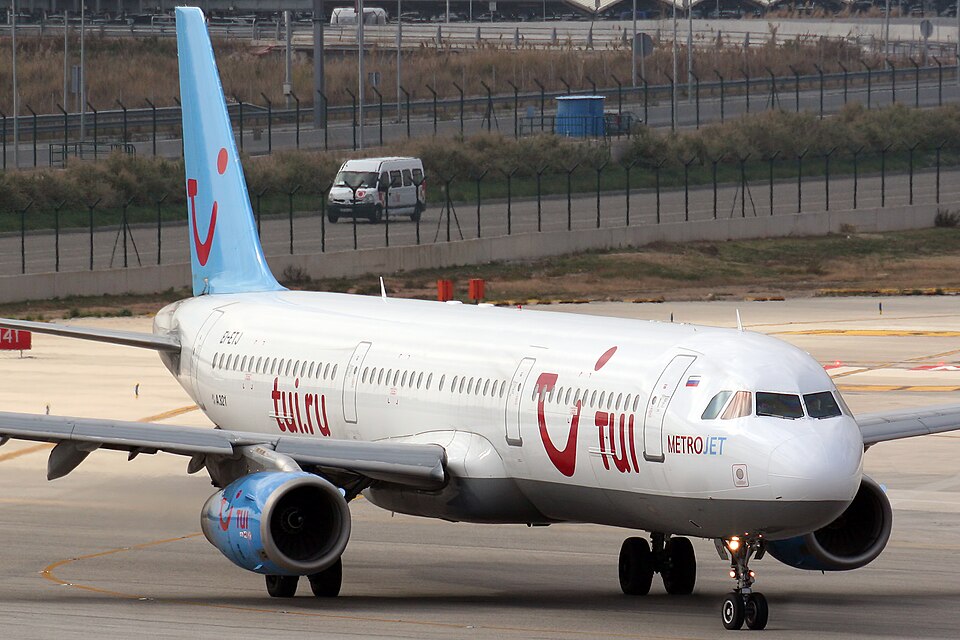
On October 31, 2015, an Airbus A321 with registration EI-ETJ crashed in the Sinai region of Egypt. The aircraft was operated by KOGALYMAVIA Airline LTD, trading as METROJET, under flight number KGL 9268. The service departed from Sharm El Sheikh Airport (HESH) and was destined for Pulkovo Airport (ULLI) in St. Petersburg, Russia. The aircraft was destroyed, and there were no survivors among the 217 passengers and seven crew members on board.
Initial Response and Recovery
Upon receiving notification of the accident, the Egyptian Aircraft Accidents Investigation Directorate dispatched a team to Almaza Air Force Base to access the site via military helicopter. The wreckage was scattered over an area exceeding 16 kilometers in diameter. Investigators divided into three groups to survey the site, photographing debris before searching for human remains. High-ranking Egyptian government officials, including the Prime Minister and ministers of Defense, Health, and Tourism, visited the site to support the operation.
Investigation Procedures
The Flight Data Recorder (FDR) and Cockpit Voice Recorder (CVR) were recovered from the wreckage and transported to the Egyptian Directorate’s laboratory for data download. An air bridge was established between Almaza Air Force Base and the crash site to facilitate the movement of investigators and representatives from participating states. Nineteen flights were conducted, with some cancellations due to weather.
International Coordination
In accordance with ICAO Annex 13, notifications were sent to Russia (State of Operator), France (State of Design), Germany (State of Manufacturer), Ireland (State of Registration), and the United States (State of Engine Manufacturer). Accredited representatives from these nations participated in the investigation. The committee also collected air traffic records, radar data, and fuel samples for analysis. A preliminary report was issued on December 13, 2015, followed by a review of remarks from participating states.