Runway Incursion at Madrid-Barajas Caused by Radio Interference and Inadequate Procedures

Casualties unknown • Aeropuerto de Madrid-Barajas (Madrid), ES

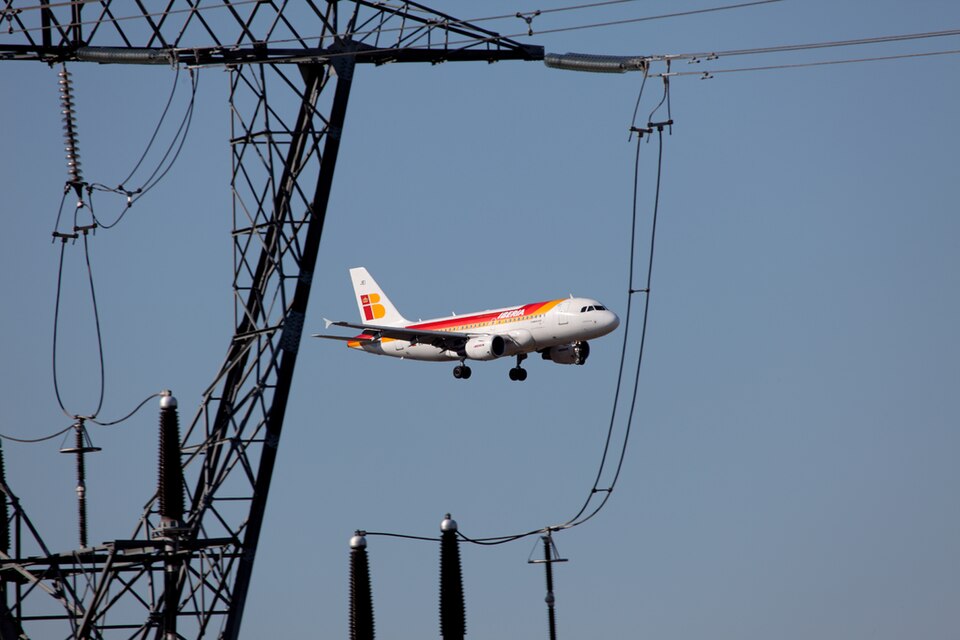
An Airbus A319 landing at Madrid-Barajas encountered an airport service vehicle on the runway following a radio communication failure and flawed runway inspection planning.

What happened

On September 22, 2013, at 19:04 UTC, an Airbus A319, registration EC-JEI, operated by Iberia, was cleared to land on runway 18L at Adolfo Suárez Madrid-Barajas Airport. Simultaneously, an airport service vehicle, identified as PAPA4, was performing an extraordinary runway inspection following a reported bird strike near the touchdown zone.

As the aircraft approached the runway, the vehicle was traversing the runway surface. The investigation established that the aircraft made contact with the runway while the service vehicle was occupying the taxiway area just before the threshold. There were no injuries to the 5 crew members or 98 passengers on board, and no damage was sustained by the aircraft.

The investigation

The CIAIAC investigation focused on the coordination between the air traffic controller and the vehicle operator, as well as the technical reliability of the communication systems. The investigation examined the radio coverage at the airport and the specific timeline of the vehicle's movement relative to the aircraft's approach.

Investigators analyzed the radio frequency 118.675 MHz and found that while the transmitter and receiver were functioning within technical standards, a significant issue occurred between taxiways Y5 and Y7. During this segment, the controller's repeated instructions for the vehicle to vacate the runway were not received by the vehicle's radio. The investigation also noted that the vehicle operator accelerated to exit the runway quickly after noticing the approaching aircraft, which meant the inspection of the bird strike area was incomplete.

Findings

  • The primary cause of the runway incursion was the erroneable planning of the time required to complete a safe runway inspection, stemming from a lack of adequate operating procedures within the Madrid Tower (TWR LEMD) manual.
  • A loss of radio communication on frequency 118.675 MHz between the control tower and the service vehicle prevented the necessary coordination to vacate the runway safely.
  • The inspection was insufficient to guarantee the runway was free of debris because the proximity of the incoming aircraft forced the vehicle operator to rush the inspection process.
  • At the time of the event, the tower's operating procedures did not include specific methodologies or time windows for conducting runway inspections, leaving coordination to the discretion of the controller.
  • Radio interference, potentially caused by electromagnetic noise or lighting equipment on the vehicle, rendered communications unintelligible in certain sections of the runway.

Probable cause

The incident was driven by inadequate operational procedures regarding runway inspection timing and a simultaneous radio communication failure that prevented the vehicle from receiving instructions to vacate the runway.

All Airbus A319-100 accidents →

Frequently asked questions

What happened in the 2013-09-22 Airbus A-319 accident near Aeropuerto de Madrid-Barajas (Madrid), ES?

An Airbus A319 landing at Madrid-Barajas encountered an airport service vehicle on the runway following a radio communication failure and flawed runway inspection planning.

What aircraft was involved and where did it happen?

The accident on 2013-09-22 involved a Airbus A-319, registration EC-JEI, at Aeropuerto de Madrid-Barajas (Madrid), ES.

What was the probable cause of the accident?

The incident was driven by inadequate operational procedures regarding runway inspection timing and a simultaneous radio communication failure that prevented the vehicle from receiving instructions to vacate the runway.

Investigation report by the Spanish Civil Aviation Accident and Incident Investigation Commission (CIAIAC). Original record: https://www.transportes.gob.es/recursos_mfom/comodin/recursos/2013_032_in.pdf. This page is a structured re-presentation; facts and quotes are in the Comision de Investigacion de Accidentes e Incidentes de Aviacion Civil (CIAIAC), Spain - Ministerio de Transportes y Movilidad Sostenible.

Loading the flight search…