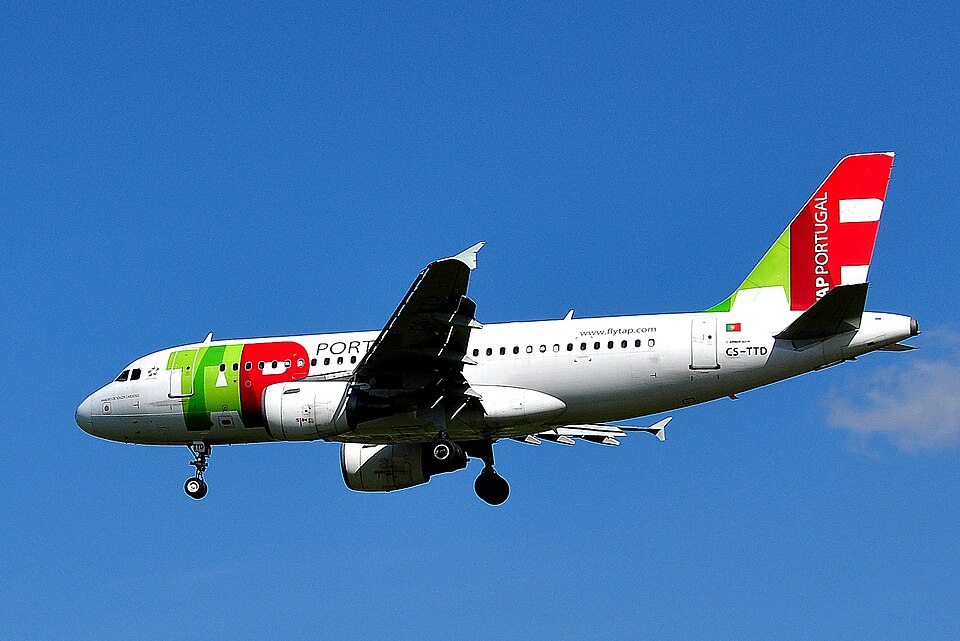
Fuel Emergency Declared After Diversion to Santiago de Compostela

Casualties unknown • Aeropuerto de Santiago de Compostela (A Coruña), ES

An Airbus A319 operating for TAP Portugal declared a fuel emergency after being diverted to Santiago de Compostela due to parking saturation at its intended alternate airport.

What happened

On 10 October 2016, an Airbus A319-111, registration CS-TTD, operated by TAP Portugal, was performing a scheduled flight from Madeira Airport to Porto Airport. Due to heavy fog and low-visibility procedures in effect at Porto, the crew entered a holding pattern. The crew had identified Vigo Airport as their primary alternate and had specifically informed air traffic control of their intention to divert to Vigo should a go-around be necessary.

During the approach to Porto, the crew failed to establish the required visual references and executed a go-around. Upon contacting Porto approach control to proceed to their planned alternate, they were informed that Vigo Airport had reached its maximum parking capacity. Consequently, the aircraft was directed to Santiago de Compost to serve as a secondary alternate. During the diversion, the crew declared a MAYDAY FUEL emergency, as the remaining fuel was projected to fall below the required final reserve levels specified in their operational flight plan. The aircraft landed safely at Santiago de Compostela Airport without further incident.

The investigation

The CIAIAC investigation examined the coordination between various air traffic service providers and the management of airport capacity during adverse weather. The investigation reviewed communications between Porto approach, Santiago TACC, and the Vigo airport operations center. The investigators also analyzed the aircraft's flight recorder data and the fuel management strategies employed by the crew.

Findings

  • The crew was properly qualified, experienced, and fit for duty.
  • The aircraft was fully maintained and airworthy.
  • The crew had anticipated potential delays by carrying extra fuel for a 30-minute hold.
  • The crew failed to issue a MINIMUM FUEL declaration as required by their operations manual, which prevented the implementation of extraordinary measures at the alternate airport.
  • The Vigo Airport Operations Coordination Center failed to proactively report that the apron had reached saturation, which would have allowed controllers to inform the crew earlier.
  • There was a lack of formal coordination procedures between the Porto and Santiago air traffic stations regarding the management of alternate airport availability during severe weather.

Safety action

  • REC 66/17: It is recommended that TAP Portugal provide specific training to crews regarding the proper use and implications of MINIMUM FUEL and MAYDAY FUEL declarations.
  • REC 67/17: It is recommended that ENAIRE establish a coordination procedure between Santiago TACC and Porto APP to provide information on alternate airport availability during severe weather.
  • REC 68/17: It is recommended that NAV Portugal establish a similar coordination procedure between the Santiago and Porto stations.

Probable cause

The incident was caused by improper management of alternate airport capacity by air traffic services and the crew's failure to declare minimum fuel, which prevented the use of contingency measures at the intended alternate.

Frequently asked questions

What happened in the 2016-10-10 Airbus A-319-111 accident near Aeropuerto de Santiago de Compostela (A Coruña), ES?

An Airbus A319 operating for TAP Portugal declared a fuel emergency after being diverted to Santiago de Compostela due to parking saturation at its intended alternate airport.

What aircraft was involved and where did it happen?

The accident on 2016-10-10 involved a Airbus A-319-111, registration CS-TTD, at Aeropuerto de Santiago de Compostela (A Coruña), ES.

What was the probable cause of the accident?

The incident was caused by improper management of alternate airport capacity by air traffic services and the crew's failure to declare minimum fuel, which prevented the use of contingency measures at the intended alternate.

Investigation report by the Spanish Civil Aviation Accident and Incident Investigation Commission (CIAIAC). Original record: https://www.transportes.gob.es/recursos_mfom/2016_040_in_eng_0.pdf. This page is a structured re-presentation; facts and quotes are in the Comision de Investigacion de Accidentes e Incidentes de Aviacion Civil (CIAIAC), Spain - Ministerio de Transportes y Movilidad Sostenible.

Loading the flight search…