Incident Summary
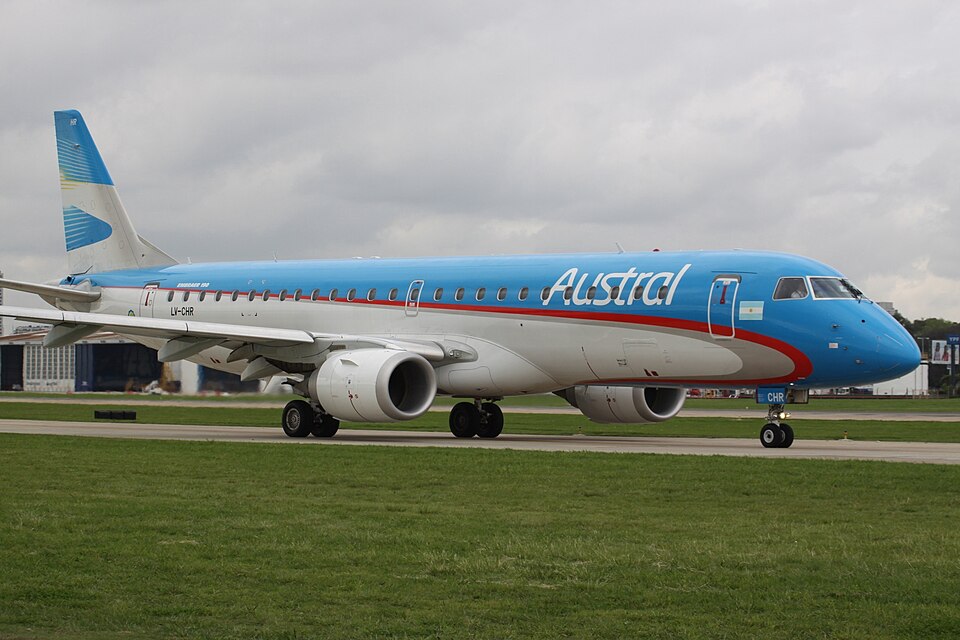
On 20 March 2018, at 10:44 UTC, an Embraer ERJ190-100IGW, registration LV-CHR, departed from Ministro Pistarini International Airport in Buenos Aires, Argentina, on a scheduled commercial flight to Cataratas del Iguazú International Airport. At approximately 11:50 UTC, while cruising at flight level FL370, the flight crew observed smoke emanating from the front panel ventilation vents. The Engine Indicating and Crew Alerting System (EICAS) displayed a "recirculation smoke" warning. The crew immediately donned their oxygen masks, disconnected the air recirculation system, and declared an emergency with Resistencia air traffic control. The aircraft diverted and landed safely at Posadas Airport. Cabin crew reported detecting a smell of burnt plastic between rows 12 and 14. All 5 crew members and 68 passengers evacuated the aircraft without injury, and the aircraft sustained no damage. The incident occurred in daylight under good weather conditions.
Investigation
Investigators from the Junta de Investigación de Accidentes de Aviación Civil (JIAAC) interviewed the crew and examined the smoke or fire in cabin procedures. The two air recirculation fans were inspected; no burnt elements or residues were found. A ground test was conducted: the engines were started, the cabin was pressurized at various levels, and the fans were turned on. The left fan exhibited a slight deficiency but did not produce smoke or burnt odor during the test. After replacing the left fan, a second test showed the system operated normally per manufacturer specifications.
Further analysis determined that the most probable failure scenario was an imbalance of the left recirculation fan shaft, causing the plastic blade tips to contact the internal structure, generating smoke and a burnt smell due to friction. No other source of the smoke was confirmed. The crew correctly followed emergency procedures and landed at the nearest suitable airport. The airworthiness documentation specifies procedures for continued safe flight in the event of such a malfunction.
Conclusion
The JIAAC concluded that the transient smoke and burnt smell originated from a slight deficiency in the left cabin air recirculation fan. The crew observed the smoke and the recirculation smoke warning activated.