Introduction
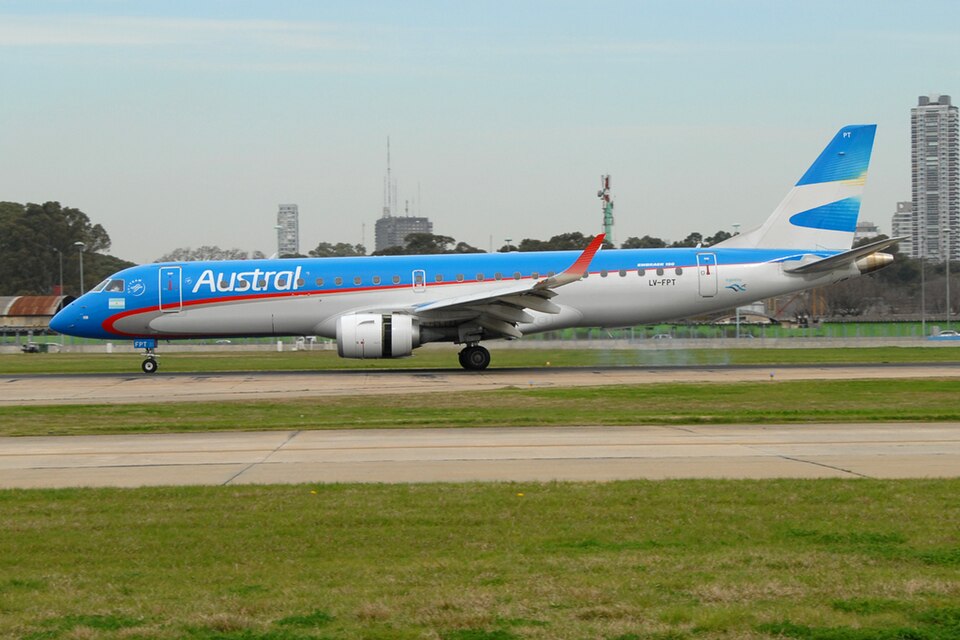
On 25 March 2018 at 14:25, an Embraer 190 (registration LV-FPT) operated by Austral Líneas Aéreas Cielos del Sur S.A. experienced an abnormal runway contact while landing at Aeroparque Jorge Newbery in Buenos Aires. The event was classified as a serious incident and investigated by the Junta de Seguridad en el Transporte (JST).
Flight Details
The aircraft was conducting a regular commercial aviation flight. The exact flight number and route were not detailed in the initial report. The Embraer 190 is a twin-engine jet, but further specifications were not provided.
Investigation Scope
The investigation examined safety issues related to the management of the aircraft's trajectory during landing. The report includes analysis of institutional aspects within Austral Líneas Aéreas, the design of Standard Operating Procedures (SOPs), and principles for establishing briefings. It also reviewed the role of the National Civil Aviation Administration (ANAC) in oversight.
Findings
The investigation identified factors related to the incident as well as other safety risk factors not directly causal but with potential under different operating conditions. The report does not specify the exact nature of the abnormal runway contact, nor does it mention any injuries or damage beyond the incident classification.
Conclusions and Recommendations
Conclusions were divided into factors related to the incident and other identified safety risks. The JST issued safety recommendations to Aerolíneas Argentinas (the parent company) and to ANAC. The recommendations aimed at improving operational safety based on the findings.
The full report includes appendices with communication transcripts, manufacturer information, and standard operating procedures.