Summary
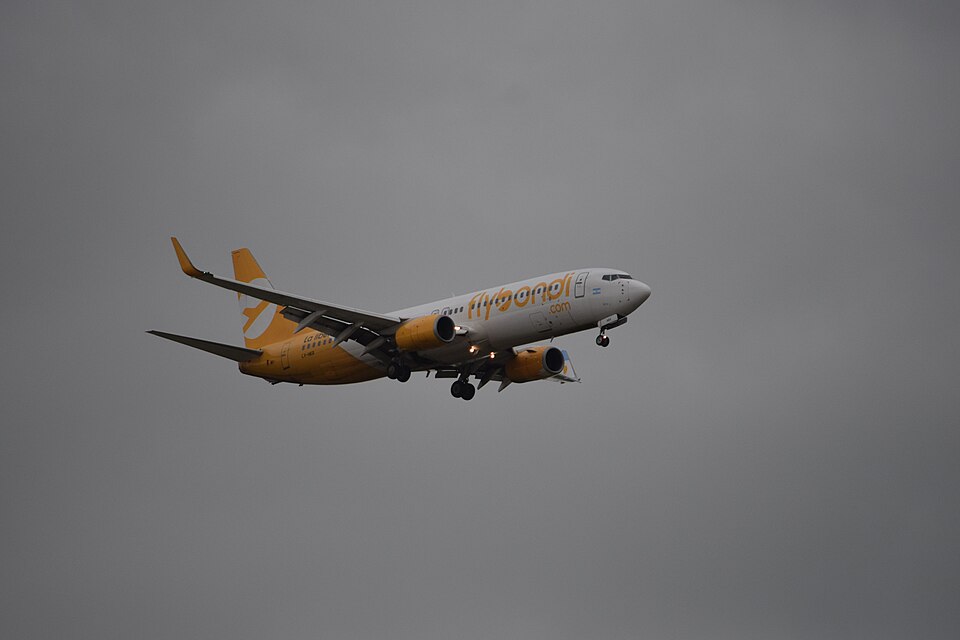
On 29 December 2018, a Boeing 737-800 operated by FB Líneas Aéreas SA (Flybondi), registration LV-HKR, experienced a tire failure during takeoff from Aeropuerto Internacional Silvio Pettirossi, Asunción, Paraguay. The aircraft was on a scheduled commercial flight to Aeropuerto El Palomar, Argentina. After departure, tire debris was found on the runway, and the crew was informed. They continued the flight and later diverted to Aeropuerto Internacional Ministro Pistarini in Ezeiza, Buenos Aires.
Flight Details
The flight departed Asunción at 01:50 UTC. Following the departure, two other aircraft that landed at Asunción reported a foreign object near the runway. A runway inspection revealed tire remains, which were determined to belong to the LV-HKR, as it was the last aircraft to depart. The control tower informed the Resistencia Area Control Center, which relayed the information to the crew.
Incident Sequence
The crew, having not noticed any anomalies during takeoff or flight, initially decided to continue to their destination. However, after holding at VANAR and San Antonio de Areco, they consulted with the airline's operations center and decided to divert to the alternate airport, Ezeiza, as a precaution. The incident occurred at approximately 03:59 UTC.
Investigation Findings
The investigation by the Junta de Seguridad en el Transporte (JST) focused on the tire failure and identified several contributing factors. These included inadequate control and monitoring of tire inflation pressures, presence of foreign object debris (FOD), issues related to tire retread procedures, and the operational performance of the flight crew. No injuries or damage to the aircraft were reported in the source.
Conclusion
The JST issued safety recommendations to Flybondi and the National Civil Aviation Administration (ANAC) based on the findings. The report did not assign a single probable cause but highlighted multiple factors that contributed to the incident.