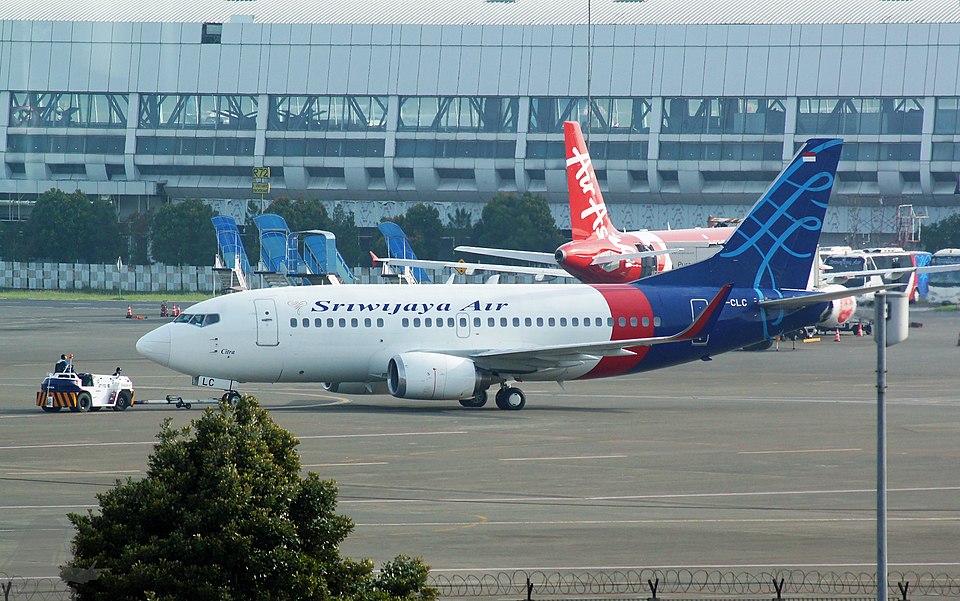
Factual Information
The KNKT investigation gathered factual information from various sources. The aircraft was a Boeing 737-500 with registration PK-CLC, operated by PT Sriwijaya Air. The accident occurred on 9 January 2021 in the Kepulauan Seribu District, DKI Jakarta.
Flight Recorders
The cockpit voice recorder (CVR) and flight data recorder (FDR) were recovered and analyzed. The CVR test history was also examined.
Autothrottle System
The report detailed the autothrottle system, including its computer modification and maintenance record. Tests were conducted on the previously installed autothrottle computer and servo. The investigation found that the autothrottle malfunction led to an uncommanded reduction of the left throttle lever, resulting in thrust asymmetry.
Pilot Actions
The pilots did not monitor the aircraft flight instruments properly and failed to recognize the developing flight path deviation. They also did not maintain aircraft control and failed to recover from the upset. The report discussed upset prevention and recovery training, as well as the operator's policy on automation.
Maintenance Management
The investigation examined the operator's maintenance management, including the autothrottle trouble shooting and deferred maintenance items. The report also covered the safety management system.
Contributing Factors
The KNKT concluded that the contributing factors were: malfunction of the autothrottle system causing thrust asymmetry; pilot failure to monitor instruments; and pilot failure to maintain control and recover from the upset.
Safety Actions
The report included safety actions taken by the Directorate General of Civil Aviation and Sriwijaya Air.