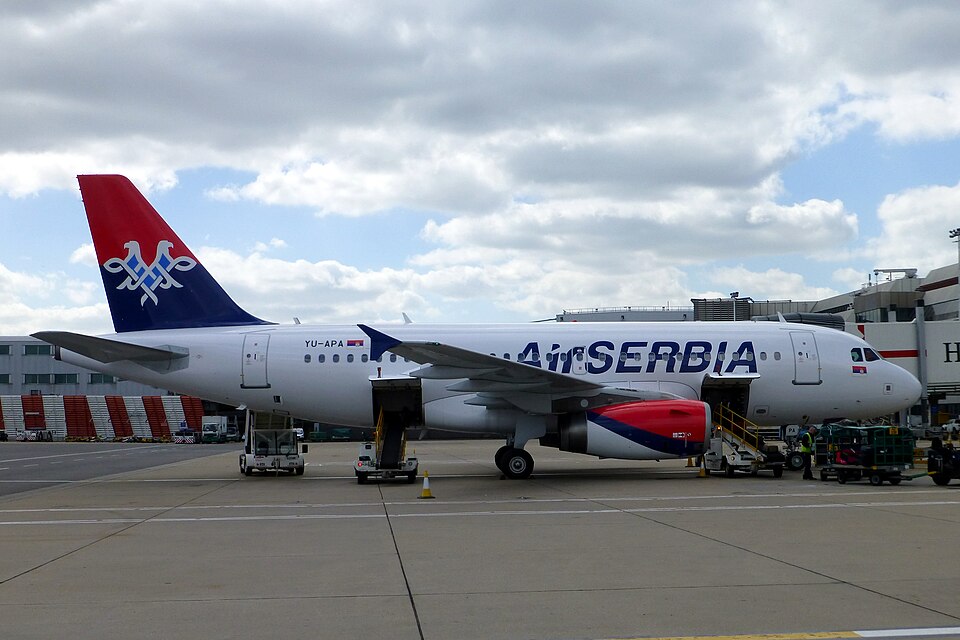
Incident Overview
On 17 October 2014, an Airbus A319-132, registration YU-APA, was involved in a serious incident approximately 5.5 km northwest of Zurich Airport (LSZH). The event occurred shortly after takeoff when the crew shut down the right engine due to a leak in the air-cooled oil cooler. The investigation by the Swiss Transportation Safety Investigation Board (STSB) determined that the incident was caused by the crew's hasty initiation of a risky approach without prior situation analysis.
Flight Details
The aircraft, a twin-engine airliner, was on a commercial flight. The crew consisted of a commander and a co-pilot. Shortly after departure, a master warning indicated an issue with the right engine. The crew subsequently shut down the engine. Instead of conducting a thorough assessment, they proceeded with an approach that presented risks. The landing was performed without the crew having received or requested a landing clearance.
Causes and Contributing Factors
The STSB identified the probable cause as the crew's hasty initiation of an approach presenting risks, without prior analysis of the situation, after having shut down the right engine due to an oil cooler leak. Contributing factors included a lack of crew resource management (CRM) cooperation, non-compliance with systemic and operational procedures, and the crew's limited experience on the aircraft type.
Additional Safety Factors
The investigation also noted non-determinant safety risk factors: the engine was not shut down immediately after the master warning appeared, and the crew executed the landing without a landing clearance.
Conclusion
The incident highlights the importance of adhering to standard operating procedures and effective crew coordination during abnormal situations. The STSB's report underscores the need for proper situation assessment before initiating critical flight maneuvers.