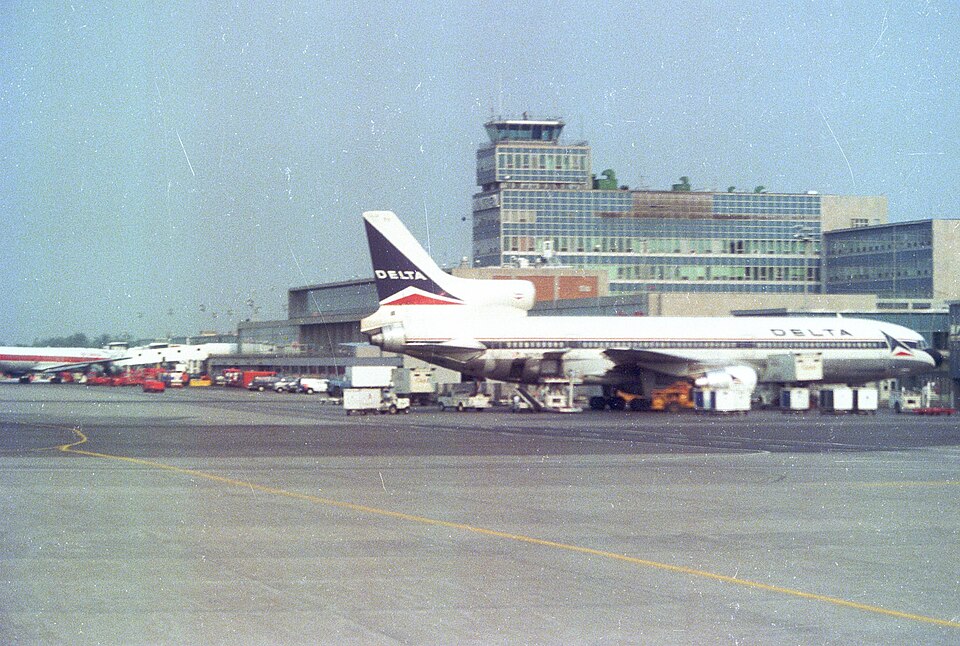
Accident Overview
Delta Air Lines Flight 191 was on an instrument landing system approach to runway 17L. Scattered thunderstorms had been forecast, and several cells were developing in the area during arrival. The flight was vectored around a large thunderstorm cell and then sequenced behind other aircraft before being cleared for the approach.
Weather Conditions
The flight crew and several preceding crews observed lightning in a cell north of the airport, but they continued without reporting it. Investigation revealed that between 1752 and 1800 CDT, the thunderstorm cell grew from a VIP level 1 to VIP level 4. A Center Weather Service Unit meteorologist was on duty but was not at the radar position at that time and did not observe the cell growth.
Encounter with Microburst
While passing under the cell on approach, Flight 191 encountered a microburst. Initially, the first officer, who was flying the aircraft, retarded the throttles in a headwind. The aircraft then encountered approximately 73 knots of windshear, including up and downdrafts, vortex flow, and a tailwind. Go-around power was applied, but the aircraft struck the ground approximately 6,300 feet north of runway 17L, hit a car and two water tanks, broke apart, and burned.
Findings
The captain's decision to continue the approach did not comply with Delta's weather avoidance procedures. Additionally, there was a lack of specific guidance and training for avoiding or escaping low-altitude windshear.
Report Information
The full report on this investigation is provided as Aviation Accident Report number AAR-86/05 by the National Transportation Safety Board.