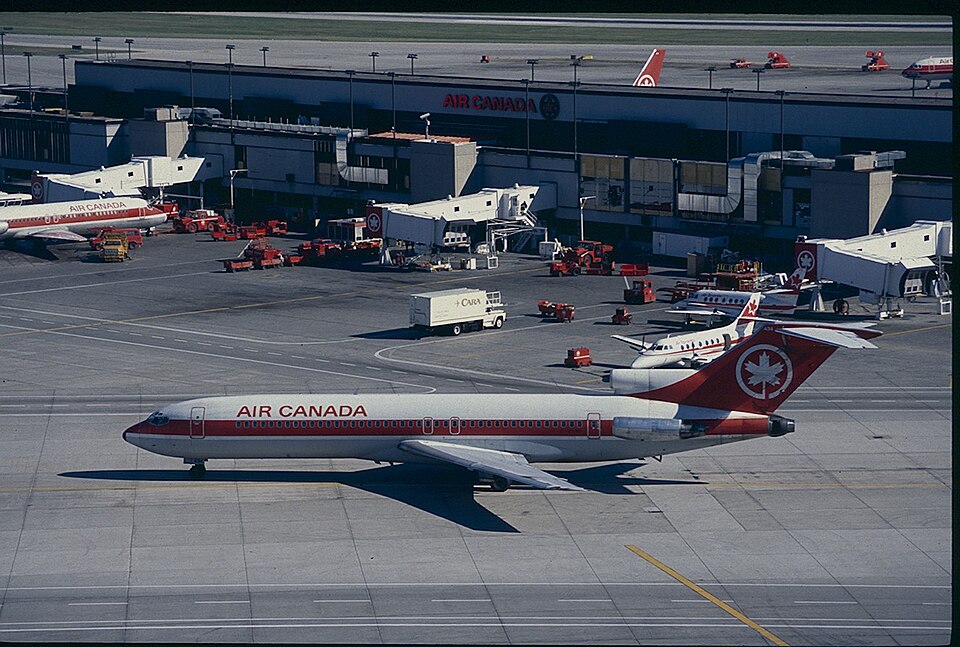
Incident Description
After landing, as the aircraft was taxiing to the gate, two of the three required flight attendants were distributing coats to passengers. Smoke from an overheated air conditioning pack began entering the cabin, prompting the flight attendants to return to their duty stations. The flight crew stopped the aircraft at the gate and shut down the engines but left the auxiliary power unit (APU) running to provide electrical power for lighting.
Evacuation
The flight attendants opened the left forward door, while ground personnel opened the rear stair door to begin deplaning. The captain made an announcement directing passengers to remain calm. However, the smoke became dense, and passengers opened the overwing emergency exits and began exiting from them. During the evacuation over the wings, two passengers received minor injuries.
Investigation Findings
An investigation revealed that the aircraft had been dispatched with the right pack cooling fan inoperative, as authorized by the minimum equipment list (MEL). During the flight, a radio interference filter in the air conditioning system failed, which allowed the forward pack shut-off valve to open but prevented it from closing. This permitted APU air to run the affected pack even though the pack switch was off and a circuit breaker had been pulled. With the engines shut down and the right cooling fan inoperative, the system overheated, producing the smoke.