Casualties unknown

APU Fire After Landing Due to Deicing Fluid Ingestion (N715RC)

Detroit, MI, US

On December 5, 1990, a Boeing 727-257 (registration N715RC) operated by Northwest Airlines, Inc. was involved in an aviation accident near Detroit, MI. Investigators recorded the probable cause as: The APU exhaust outlet accepted deicing fluid during deicing, and residual glycol in the APU ignited during the APU start after landing, causing an exhaust stack fire. This summary draws on records from the U.S. National Transportation Safety Board (NTSB) historical archive; 16 related events involving the same aircraft type or operator are linked below.

Sourcesthe U.S. National Transportation Safety Board (NTSB) historical archivePrimary reportUpdated 2026-06-10Data APIEditorial standards
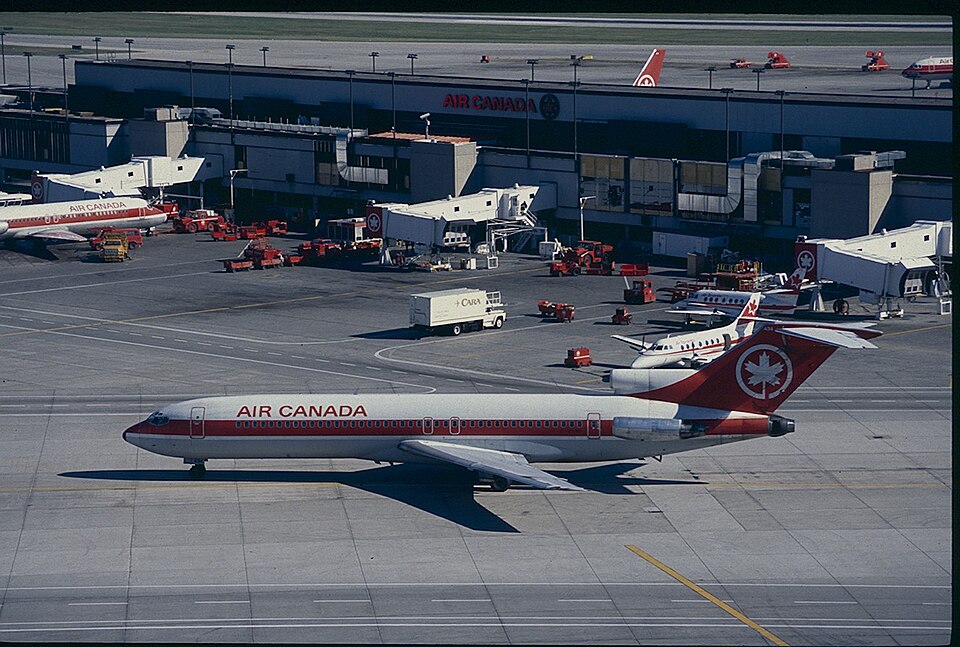
Boeing 727-257
Photo: Pete Macklin / CC BY-SA 2.0, via Wikimedia Commons

An aircraft experienced an APU fire shortly after landing when the APU was started. Residual deicing fluid in the exhaust ignited, causing an exhaust stack fire.

Incident Description

The aircraft involved in the incident experienced an auxiliary power unit (APU) fire shortly after landing. The fire occurred when the APU was started following the landing at Detroit.

Preceding Events

Prior to the incident flight, the aircraft had been deiced at its point of departure using a mixture of glycol and water. Company policy required the flight crew to shut off the APU during deicing procedures.

Technical Details

The APU exhaust outlet is located on top of the right wing near the fuselage. This design allows deicing fluid to enter the exhaust opening and subsequently reach the APU combustion chamber if the fluid is directed into the opening.

Glycol, a component of the deicing fluid, is highly flammable once the water content has been vaporized or evaporated. During the APU start after landing, the residual glycol in the APU ignited, causing an exhaust stack fire.

Outcome

The fire was contained to the exhaust stack. No further details about damage or injuries were provided in the source.

Probable cause

The APU exhaust outlet accepted deicing fluid during deicing, and residual glycol in the APU ignited during the APU start after landing, causing an exhaust stack fire.

Investigation report by the U.S. National Transportation Safety Board (NTSB) historical archive. Original record: https://carol.ntsb.gov/event/20001212X24734. This page is a structured re-presentation; facts and quotes are in the National Transportation Safety Board (NTSB), United States.