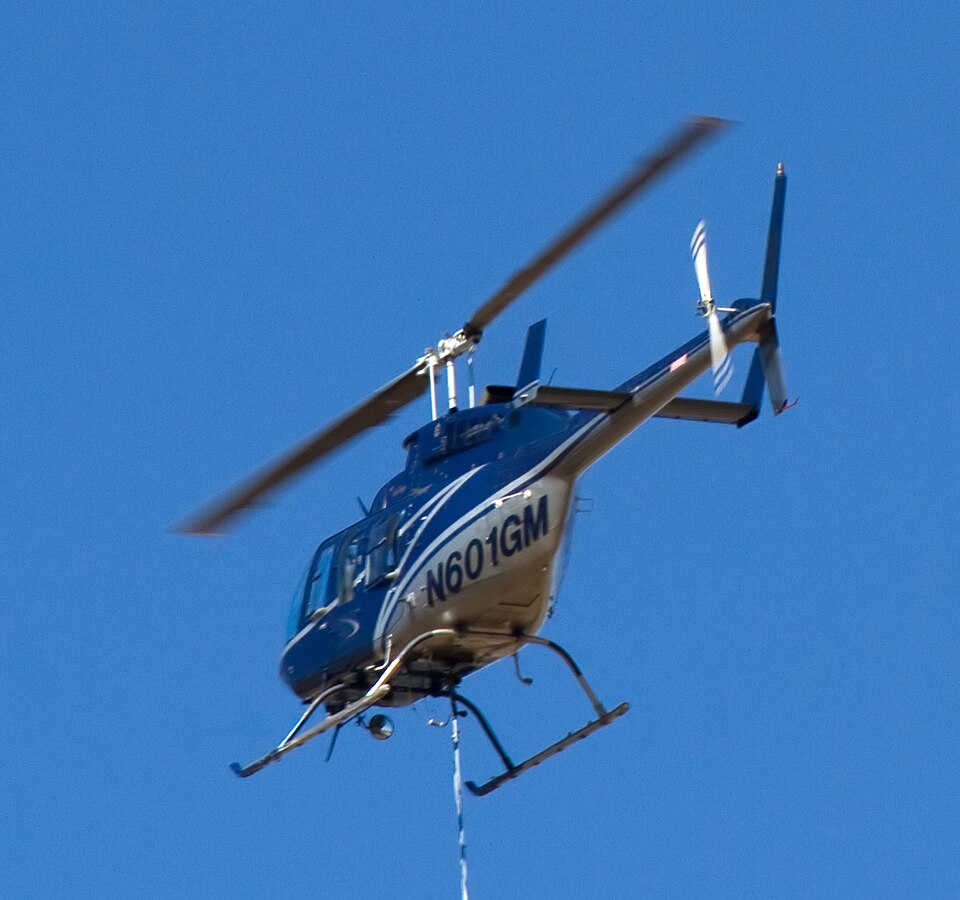
Incident Overview
According to the investigation, a helicopter experienced a hard landing approximately 2 miles south of the destination airport. The event occurred after the engine stopped due to fuel exhaustion.
Sequence of Events
The pilot arrived at the airport behind schedule and, because of the delay, decided not to refuel the helicopter. He departed with 167 pounds of fuel onboard, which he estimated would provide about 40 minutes of flight time, sufficient for the planned flight. The intended flight to the destination was only 3 minutes long. Upon arrival, the pilot was instructed to leave the helicopter running. While decreasing throttle input, he inadvertently disengaged the caution-panel circuit breaker in an effort to silence the low rotor rpm warning horn. He then shut down the engine for a short break before departing to return to the airport.
During the return flight, after leveling off at about 3,000 feet above ground level, the pilot scanned the cockpit gauges and realized the panel circuit breaker was not reset. He pushed the breaker in, and the low fuel light immediately illuminated, followed by the fuel boost warning lights. While searching for suitable terrain to execute an emergency landing, the engine quit. The pilot configured the helicopter for an autorotation, flaring approximately 18 feet above ground level. The helicopter then fell to the ground, and the pilot applied full collective just before impact. The helicopter touched down hard.
The pilot later stated that the engine quit due to fuel exhaustion.