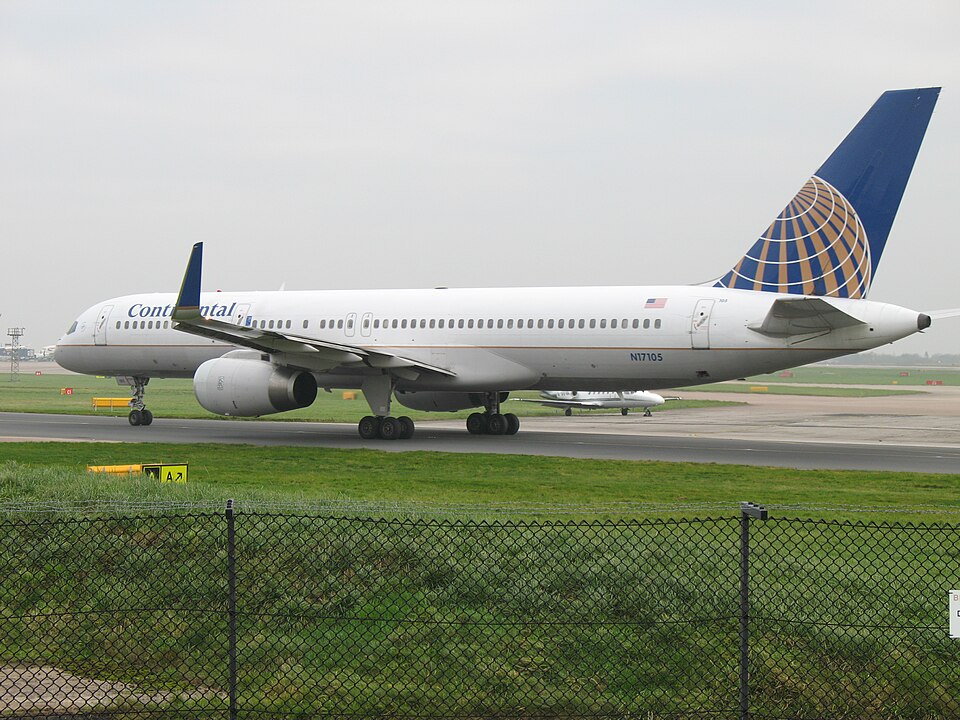
Circumstances
The flight crew conducted an Instrument Landing System (ILS) approach to runway 22L during night visual meteorological conditions. As the airplane descended to approximately 8,000 to 9,000 feet, the flight crew was instructed to "circle to land on runway 29."
Approach
At an altitude of 900 feet, the first officer turned the airplane onto the final approach for runway 29, which is a 6,800-foot-long, 150-foot-wide asphalt runway. As he rolled the airplane level, he noted four white lights on the Precision Approach Path Indicator (PAPI), which the flight crew believed was located to the left of the runway. The incident flight was the first officer's first approach to runway 29.
Landing
As the airplane touched down, the captain realized they had landed on taxiway Zulu, a 75-foot-wide concrete taxiway aligned parallel and to the right of runway 29.
Airport Lighting
Runway 29 was equipped with high-intensity runway edge lights (HIRL), which were set on step 1 (out of a 5-step system) at the time of the incident. Runway 29 also had centerline lights (CL) and runway end identifier lights (REIL), which were visually confirmed to be on. The PAPI for runway 29 was located on the right side of the runway, as described on the airport information page associated with the instrument procedures for the airport. Taxiway Zulu had green centerline lights set on step 3 (of a 5-step system) and blue reflective markers defining its edges. According to airport personnel, six aircraft made the same approach within 10 minutes of the incident aircraft and landed successfully on runway 29.