Incident Summary
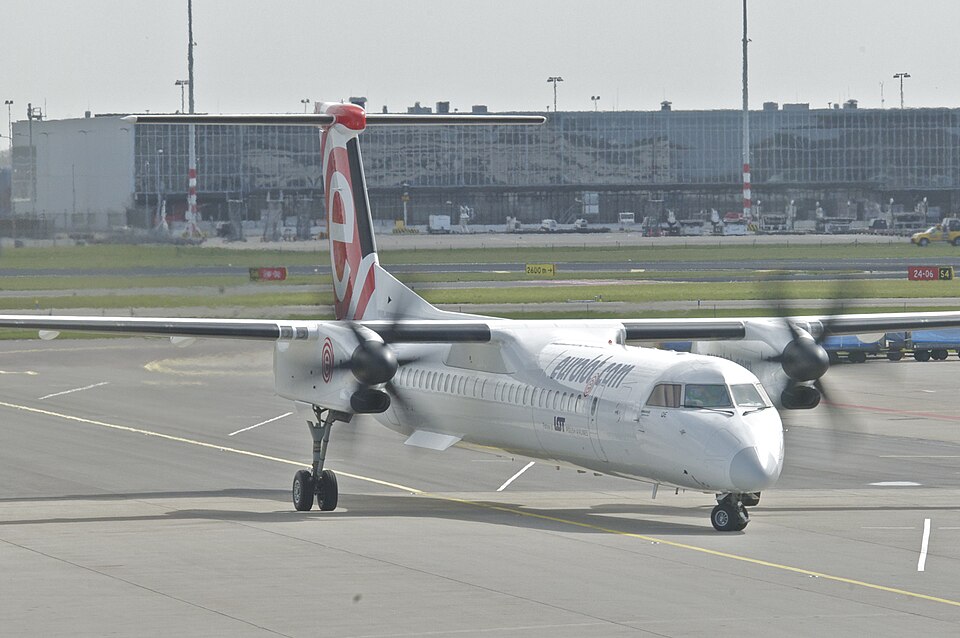
On 16 January 2019, a Bombardier DHC-8-402, registration SP-EQE, was climbing after takeoff from Budapest Liszt Ferenc Airport (LHBP). At approximately flight level 200, the cabin crew reported breathing difficulties and a sensation of pressure in the ears. Passengers also heard an unusual whistling sound between rows 12 and 13. Shortly thereafter, passengers began complaining of similar issues.
Flight Deck and Cabin Events
Initially, the cockpit cabin indication module showed no anomalies. However, the flight crew soon experienced breathing difficulties and observed rapid fluctuations in cabin pressure indications, though no master warning "CABIN PRESS" was triggered. According to the captain, the vertical speed from approximately FL200 in VS mode was 1000 feet per minute and did not exceed 2000 feet per minute. The crew performed the memory items from the QRH for emergency descent and descended to FL100. They then returned to LHBP and landed, handing the aircraft over to maintenance.
Post-Landing Actions
After landing at LHBP, due to noise restrictions, maintenance was permitted only a 15-minute engine run, which allowed preparation for a ferry flight without a functioning pressurization system. The aircraft was then ferried under MEL 21-30-6 to Warsaw Chopin Airport (EPWA) at FL100. Upon landing at EPWA, the aircraft underwent further diagnostics.
Maintenance Findings
The maintenance organization conducted three pressure tests and inspected the valves after cleaning, but found no irregularities in the pressurization system. The cause of the incident could not be unequivocally determined. The most probable cause was a temporary malfunction of the pressurization system.
Additional Technical Fault
During a review of technical documentation by the operator's quality department, a separate technical fault was identified: the #2 DC GEN CAUTION LIGHT had been recorded in the LDP-60 by the crew after landing at LHBP. The captain indicated that this caution light appeared after engine start and, in his knowledge, did not affect any system and permitted continued flight. However, this was inconsistent with the operator's operational procedure.