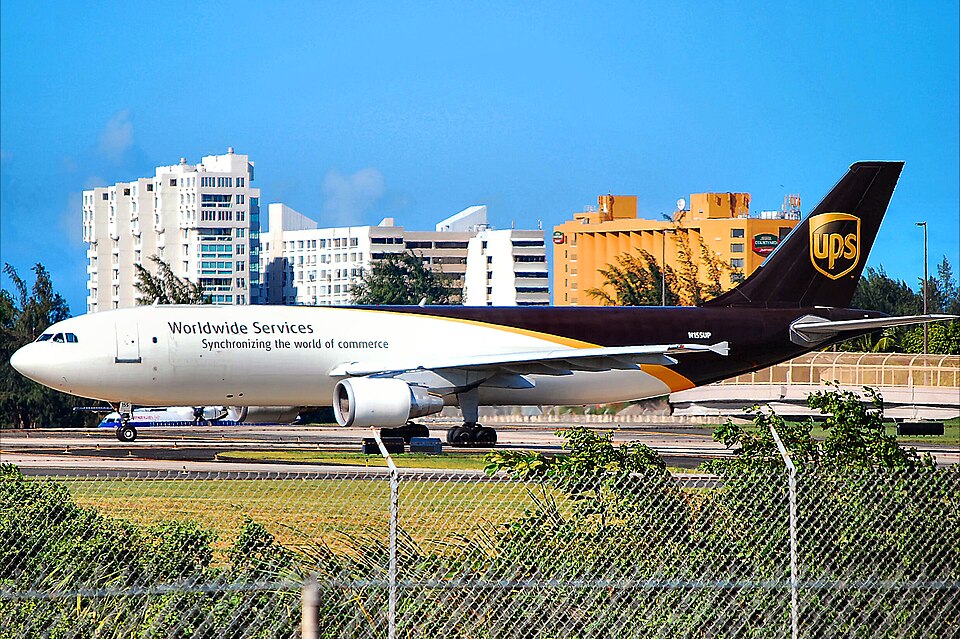
Accident Overview
On August 14, 2013, at approximately 0447 central daylight time, UPS Flight 1354, an Airbus A300-600 registered as N155UP, crashed short of runway 18 during a localizer non-precision approach at Birmingham-Shuttlesworth International Airport (BHM), Birmingham, Alabama. The captain and first officer sustained fatal injuries, and the aircraft was destroyed by impact forces and subsequent fire.
Flight Details
The scheduled cargo flight operated under 14 Code of Federal Regulations Part 121 on an instrument flight rules flight plan. It originated from Louisville International Airport-Standiford Field, Louisville, Kentucky, at about 0503 eastern daylight time. At the time of the accident, dark night visual flight rules conditions prevailed at the airport, while variable instrument meteorological conditions with a variable ceiling were present north of the airport on the approach course.
Weather and NOTAM Information
A notice to airmen (NOTAM) in effect indicated that runway 06/24, the longest runway and the one with a precision approach, would be closed from 0400 to 0500 CDT. Because the flight's scheduled arrival time was 0451, only the shorter runway 18 with a non-precision approach was available to the crew. Forecasted weather at BHM indicated that the low ceilings upon arrival required an alternate airport, but the dispatcher did not discuss the low ceilings, the single-approach option, or the reopening of runway 06/24 about 0500 with the flight crew. During the flight, information about variable ceilings at the airport was not provided to the flight crew.
Probable Cause
The National Transportation Safety Board determined the probable cause of the crash was the crew's continuation of an unstabilized approach into Birmingham Airport and their failure to monitor altitude, which resulted in an inadvertent descent below the minimum descent altitude when the runway was not yet in sight. Contributing factors were the flight crew's failure to properly configure the on-board flight management computer, the first officer's failure to make required call-outs, the captain's decision to change the approach strategy without communicating this change to the first officer, and flight crew fatigue.