Departure and En Route
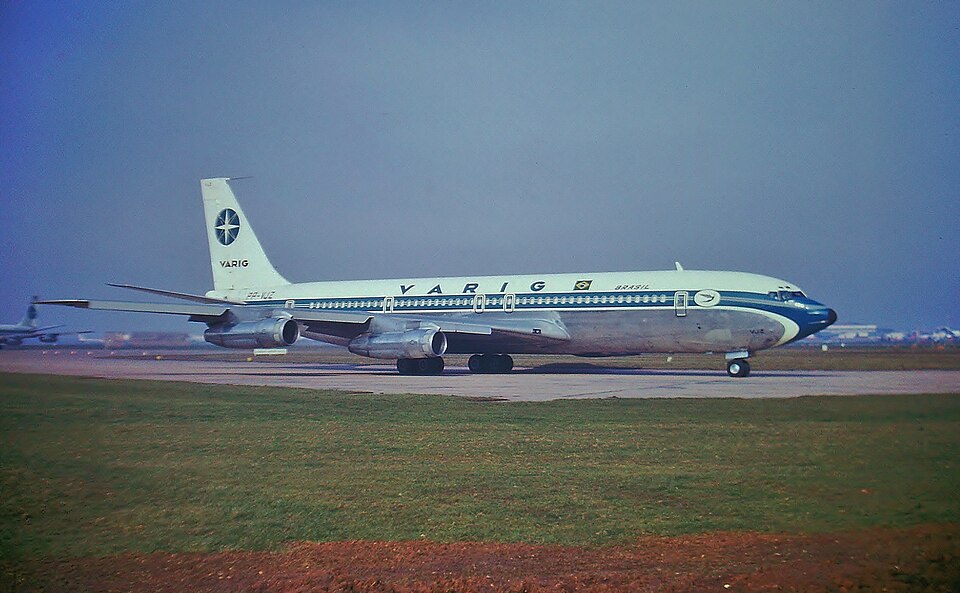
The aircraft departed Rio de Janeiro-Galeão Airport at 0303 local time on flight RG820 to Paris-Orly Airport. The en route portion of the flight was uneventful.
Fire Emergency
At 13:57, while descending to flight level 80, the crew contacted Orly approach and were instructed to maintain altitude and proceed to the OLS VOR for a downwind leg to runway 26. At 13:58:20, the crew reported a fire onboard and requested an emergency descent. Clearance was given at 13:59 to descend to 3,000 feet for a straight-in approach to runway 07.
As the situation deteriorated, with smoke entering the cockpit and passengers becoming asphyxiated, clearance to 2,000 feet was given at 14:01:10. The flight crew donned oxygen masks as smoke obscured the instruments. At 14:03, the pilot opted for an emergency landing approximately 5 kilometers short of the runway, with gear down and flaps set to 80°.
Landing and Aftermath
The Boeing aircraft approached with a pronounced nose-up attitude and a slight left bank. It struck small trees and made a heavy landing on a field. Both main landing gears collapsed, and the engines were torn off during the subsequent skid. The fuselage, however, remained intact.
Ten occupants, all crew members, evacuated the aircraft. Firefighters arrived 6 to 7 minutes later, by which time the fire had burned through the roof and no signs of life were observed. Of the four unconscious occupants they were able to evacuate, only one survived.
Probable Cause
The official findings attributed the accident to a fire that appears to have started in the washbasin unit of the aft right toilet. It was detected after smoke entered the adjacent left toilet. The fire may have been started by an electrical fault or by a passenger's carelessness. The difficulty in locating the fire rendered cabin crew actions ineffective. The flight crew lacked the means to intervene effectively from the cockpit against the fire's spread and smoke invasion. The lack of cockpit visibility prompted the decision for a forced landing. At touchdown, the fire was confined to the aft toilet area. The passengers were poisoned to varying degrees by carbon monoxide and other combustion products.