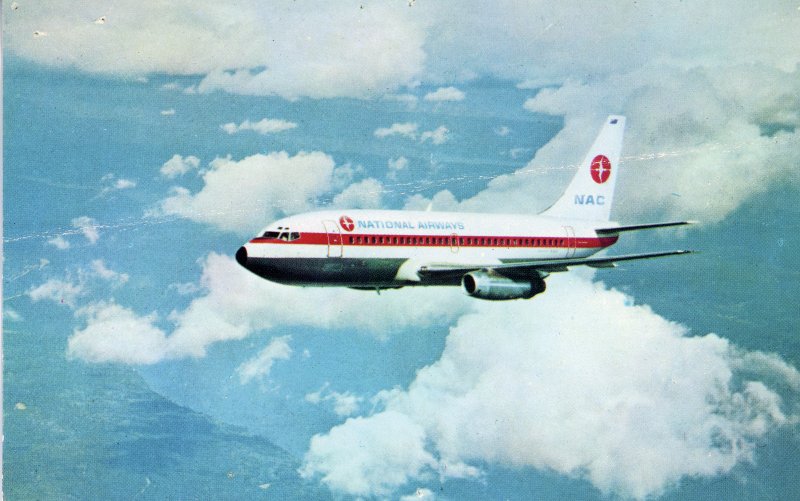
Sequence of Events
The aircraft departed Belém-Val de Cans Airport on a scheduled flight to Brasília, with intermediate stops at Marabá and Carajás. On board were 48 passengers and a crew of six. The approach to Carajás-Parauapebas Airport was conducted in adverse weather conditions. Rain and fog reduced visibility, and the cloud ceiling was at 120 meters. The final approach was unstable, and the aircraft made a hard landing on runway 10. Upon touchdown, the right main landing gear was torn off. The aircraft became uncontrollable, veered to the right off the runway, collided with trees, and came to rest in a wooded area.
Aftermath
The impact destroyed the right side of the cockpit, killing the copilot who was seated there. Ten other occupants sustained injuries, while 43 individuals escaped unharmed. The aircraft was destroyed.
Probable Cause
The official investigation identified the following findings:
- Lack of crew coordination
- The captain was overconfident
- The copilot showed a lack of self-confidence
- The environment developed in the cockpit on approach allowed the pilots to deviate from the operational tasks primarily related to mutual controls
- Poor approach and landing planning which required a higher sink rate than normal
- The crew failed to make an approach briefing
- Insufficient application of controls
- The crew completed an unstable approach
- Weather conditions were below minimums
- The runway was not equipped with a lighting system but only with Precision Approach Path Indicators (PAPIs)
- The crew failed to initiate a go-around procedure as the landing was obviously missed