Incident Overview
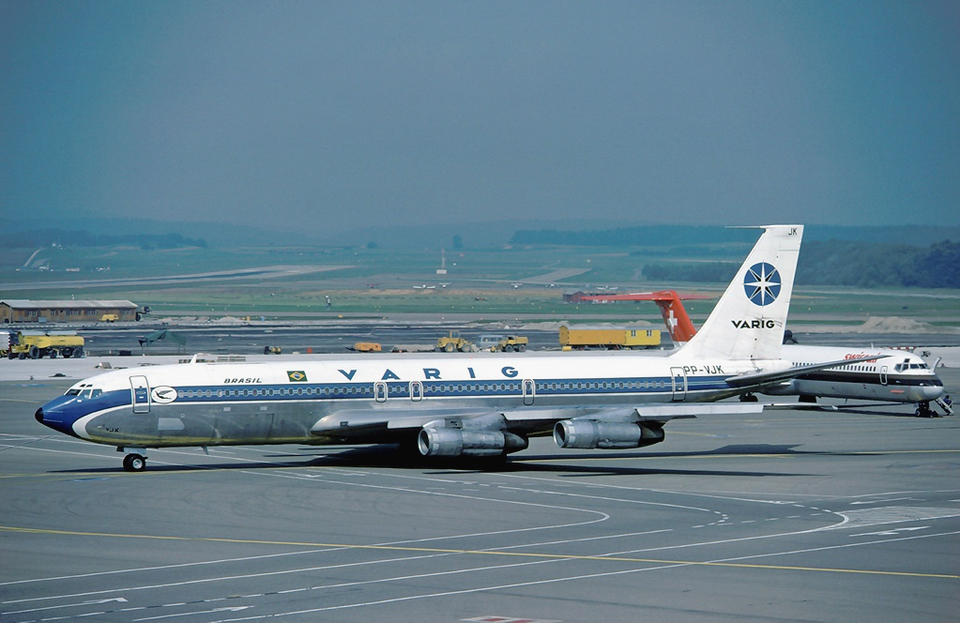
Approximately 20 minutes after takeoff from Abidjan-Port-Bouet Airport, while cruising over the Atlantic Ocean, the fire alarm for engine number 1 sounded. The fuel temperature was abnormally high, prompting the crew to shut down the engine. The captain declared an emergency and received clearance to return to Abidjan.
Approach and Maneuvering
On approach, the captain was cleared to land on runway 03 but opted for runway 21, which was equipped with an Instrument Landing System (ILS). The aircraft conducted a back circuit at night under relatively good visibility. After passing over the Abidjan VOR, the pilot-in-command initiated a left turn, at which point the stall warning sounded. The aircraft was in a flaps-up and landing gear-up configuration during the left turn. It banked left, stalled, and crashed in the forest of Akakro, approximately 10 kilometers northeast of Abidjan Airport, near the city of Bingerville.
Casualties and Damage
A passenger sustained serious injuries, while 50 other occupants were killed.
Probable Cause
It was determined that the fire alarm on engine number 1 had also sounded during the first leg from Rio to Abidjan. A check conducted by Air Afrique technicians confirmed this was a false alarm. During the last turn, completed on a moonless night and without any visual contacts with the ground, the pilot-in-command lost control of the airplane after suffering spatial disorientation.