The Accident
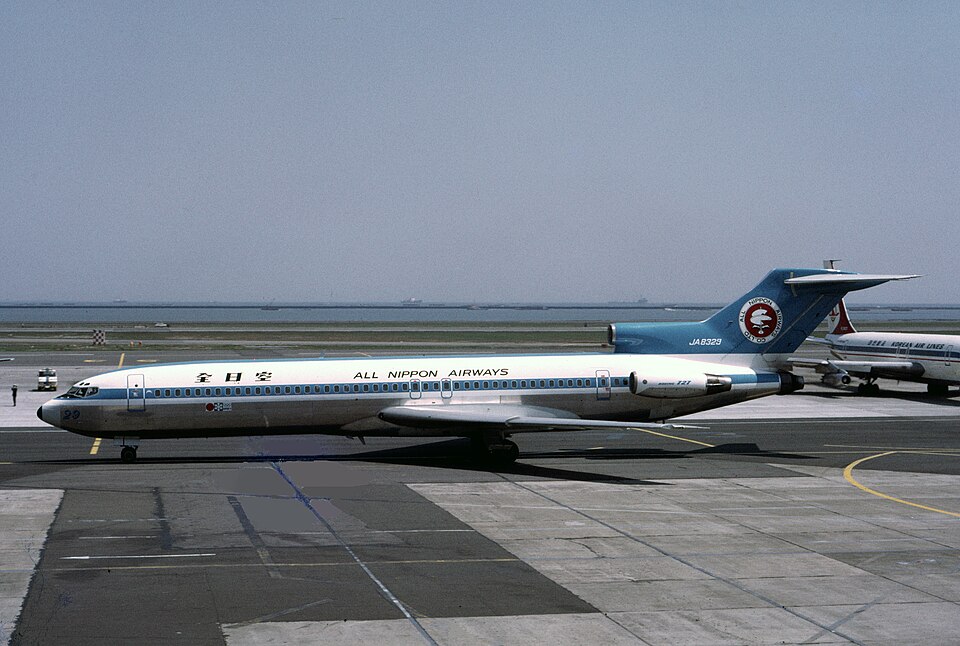
A Boeing 727 operated by All Nippon Airways departed Sapporo-Chitose Airport on a scheduled flight to Tokyo-Haneda, carrying a crew of 7 and 155 passengers. While cruising at 28,000 feet, the aircraft collided with a Japan Air Self-Defense Force North American F-86F Sabre, registered 92-7932 and crewed by two. The collision occurred south of Shizukuishi, Iwate Prefecture. Following the impact, both aircraft went out of control, dove into the ground, and crashed in a mountainous area. The military pilots ejected and were uninjured, but all 162 occupants aboard the Boeing 727 were killed.
Aftermath
Search and rescue operations recovered wreckage from both aircraft. The collision remains one of the deadliest aviation accidents involving a commercial airliner and a military aircraft.
Probable Cause
The official investigation determined that the military pilot under training failed to see and avoid other traffic while conducting a training mission. The trainee pilot, who had a total of 25 flying hours, delayed a corrective maneuver as ordered by his instructor. This caused the right wing of the Sabre to strike the horizontal stabilizer of the Boeing 727. The following factors were identified:
- The instructor continued the training flight without noticing that he had left the training airspace and entered jet route J11L.
- It is estimated that the All Nippon Airways pilots saw the training aircraft at least 7 seconds before the collision, but the avoidance operation was not performed until just before the collision, probably because the ANA pilot did not anticipate the collision.
- For the instructor, the instruction to avoid a collision was given to the trainee shortly before the instructor saw the ANA aircraft, and he could not prevent the trainee's collision, probably because the instructor was unable to see the ANA aircraft.
- About two seconds before the collision, the trainee visually recognized the ANA aircraft slightly to the right of the accident aircraft and immediately performed an avoidance operation, but was unable to avoid the collision because he had little experience and was mainly focused on maintaining relative position with the instructor aircraft.