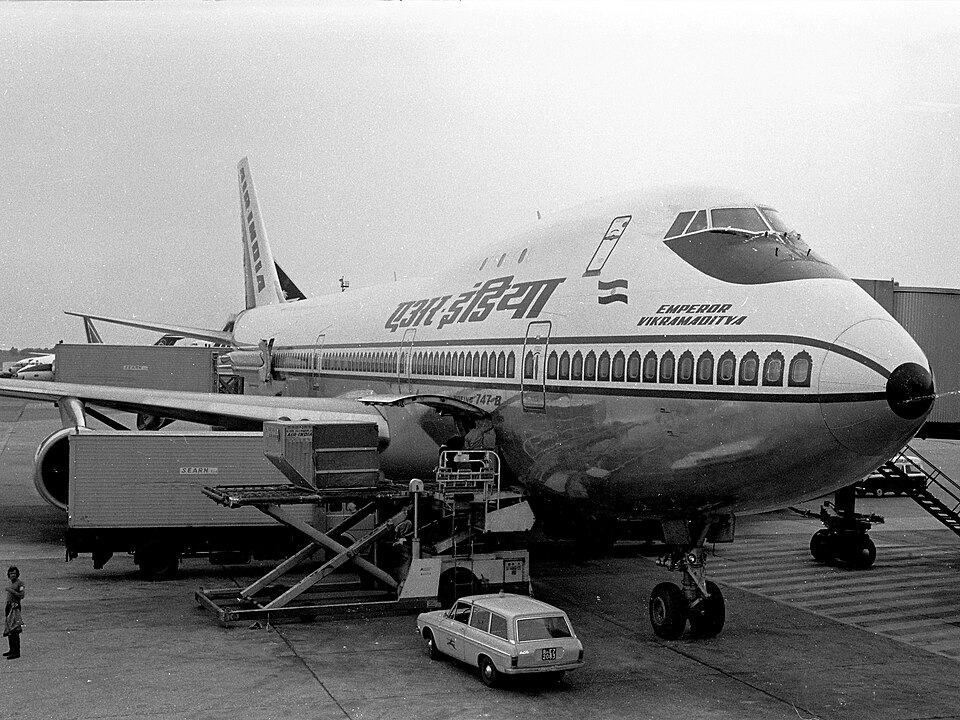
Incident Overview
An aircraft arriving from London-Heathrow Airport experienced a significant engine failure after landing at New Delhi-Indira Gandhi Airport. The flight had been uneventful until touchdown, when the crew initiated the braking procedure and activated the thrust reversers. At that moment, the pylon of the No.1 engine failed.
Sequence of Events
The failure of the pylon caused the engine to partially detach from the aircraft. The separation ruptured a fuel line, leading to a fuel leak that ignited. Despite the fire, the crew managed to bring the aircraft to a stop after traveling approximately 3 kilometers along the runway. The aircraft sustained extensive damage from the fire and was ultimately declared beyond repair.
Evacuation and Firefighting
All 215 occupants on board evacuated safely. Emergency services responded to the scene and extinguished the fire. No injuries were reported.
Probable Cause
The investigation determined that the accident was caused due to the migration of the improperly installed diagonal-brace aft fuse-pin of the No.1 engine from its fitting which substantially reduced the load carrying capability of the engine fittings resulting in failure of the upper-link forward fuse pin due to excessive loads on account of probably improper landing leading to a partial separation of engine and fire.