What happened
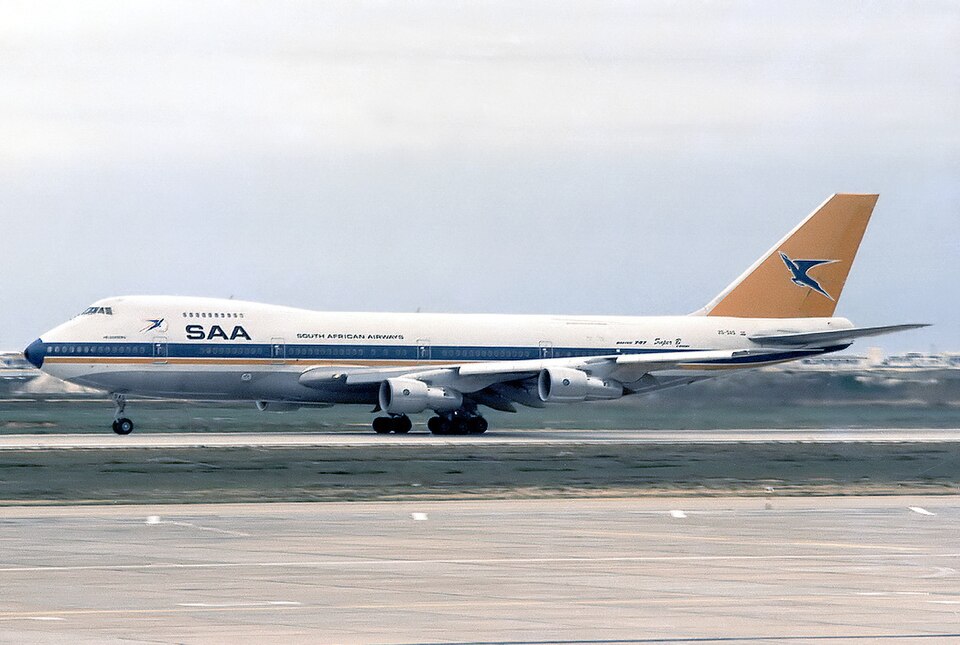
On November 27, 1987, flight SA295 was operating a scheduled international service from Taipei's Chiang Kai Shek Airport toward Johannesburg, via Mauritius. The flight departed at 14:23 UTC after delays caused by weather and a late connecting flight. On board the Boeing 747 (implied by context of cargo/crew, though source does not name model) were 140 passengers and 19 crew members, carrying significant fuel and cargo loads.
During the flight, the aircraft maintained routine communications with various flight information centers across Asia and Africa. However, at approximately 23:45 UTC, a master fire warning alarm alerted the flight deck to a fire in the main deck cargo area. The pilot subsequently declared an emergency, notifying Mauritius Approach Control of smoke in the cabin and initiating an emergency descent to FL140. During this period, the pilot reported a significant loss of electrical systems.
Following a period of nearly nine minutes of radio silence, the pilot resumed transmissions in an agitated state, providing fragmented information. Although the crew provided a distance report that was misinterpreted by controllers as being near the airport, the aircraft was actually much further away. After several attempts by air traffic control to re-establish contact, the aircraft ceased all communications at 08:00 UTC. The aircraft crashed into the Indian Ocean at approximately 00:07 UTC, roughly 134 nautical miles northeast of Plaisance Airport. There were 159 fatalities (all 140 passengers and 19 crew).
Findings
Investigators determined that an uncontrollable fire originated in a forward right pallet within the main deck cargo compartment. While investigators could not confirm the presence of illegal cargo or fireworks, the uncontrollable fire was the primary driver of the accident. The fire likely incapacitated the crew, caused disorientation through heavy smoke, and potentially led to structural failure by burning through control cables or deforming the fuselage, ultimately resulting in a high-speed impact with the sea.