What happened
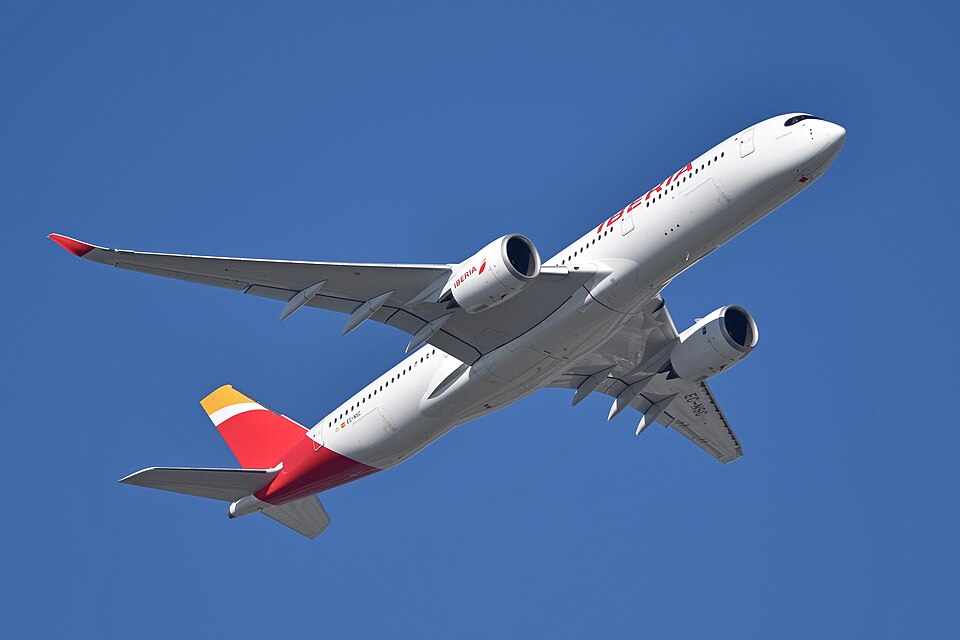
On November 26, 2025, an Airbus A350-900 registered as EC-NSC, operating for Iberia, departed Madrid-Barajas Adolfo Suárez Airport at 07:51 local time. The scheduled commercial passenger flight carried 294 people on board and was destined for Buenos Aires Ministro Pistarini International Airport.
The flight proceeded without incident, and the crew did not report any sensation of impact during the transit. Upon landing on runway 11 in Buenos Aires, maintenance personnel conducted a post-flight inspection. They identified marks of impact on the right lateral side of the aircraft's radome. Following a detailed examination, it was confirmed that the damage fell within the tolerance limits established by the manufacturer. Consequently, the aircraft was released to continue its service.
The investigation
The Argentine Transportation Safety Board (JST) conducted a desk investigation into this incident. The inquiry focused on the sequence of events surrounding the discovery of the radome damage and the subsequent maintenance actions. Investigators reviewed flight data and maintenance records to assess the nature of the impact and the safety implications for the aircraft's airworthiness.
Findings
The primary finding established that the damage to the radome was minor and did not compromise the structural integrity or operational safety of the aircraft, as it remained within manufacturer-defined limits. A significant aspect of the investigation is that the origin of the impact could not be determined at the time of the report's publication. The crew reported no awareness of any collision or strike during the flight, leaving the source of the damage unidentified.