Flight History
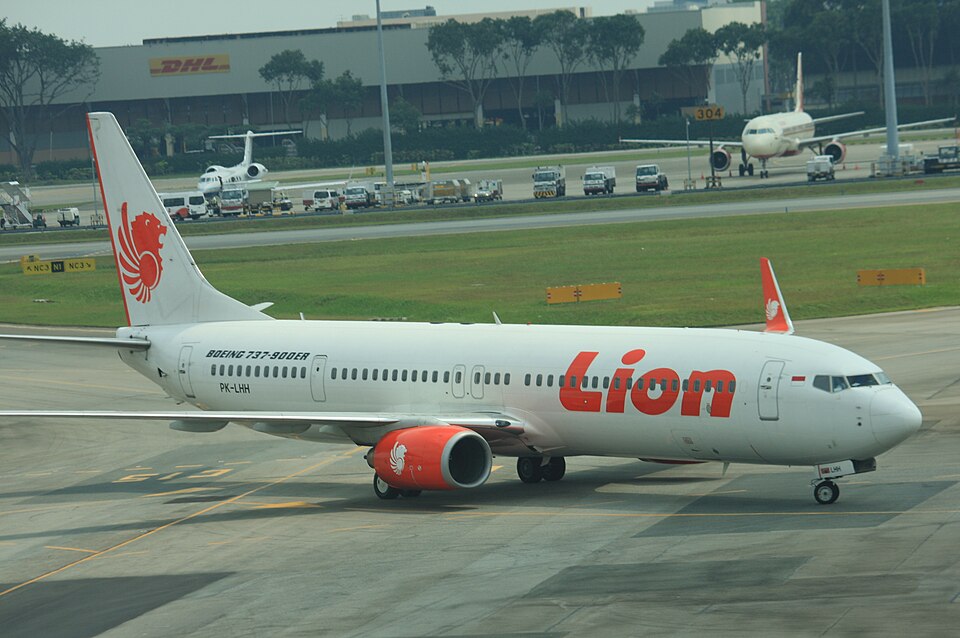
On 15 February 2011, a Boeing 737-900 aircraft with registration PK-LHH, operated by PT. Lion Mentari Airlines, was conducting passenger flight LNI 295 from Polonia International Airport in Medan to Sultan Syarif Kasim II Airport in Pekanbaru. The aircraft carried 226 persons: two pilots, one observer pilot, five flight attendants, and 218 passengers (212 adults and six infants). The pilot in command acted as the pilot flying.
The aircraft landed on runway 36 at approximately 10:55 UTC (17:55 local time). Prior to landing, the tower controller reported that the wind was calm. A pilot report (PIREP) indicated that the runway was slippery. Weather conditions included slight rain.
Aircraft and Occupants
The aircraft was a Boeing 737-900, registration PK-LHH. All occupants evacuated normally via the passenger stairs, and no injuries were reported.
Runway and Environmental Conditions
The runway surface was found to have rubber deposits and several spots of standing water up to 3 centimeters deep. A performance calculation based on the aircraft landing weight, approach speed, temperature, tail wind component, and an assumption of medium braking action indicated that the available runway length was not sufficient for the aircraft to stop on the runway.
Flight Data Recorder Information
Flight data recorder (FDR) data revealed that after the aircraft passed 500 feet on final approach until touchdown, there was a tail wind with an average component of 15 knots. This contrasted with the tower's report of calm wind.
Conclusion
The investigation concluded that the combination of tail wind component and runway skid resistant might have contributed to this serious incident.