What happened
The incident occurred during the approach phase of a commercial flight. The first officer initiated a landing that did not result in an immediate firm contact with the runway surface, effectively skipping along the pavement. Rather than aborting the approach or adjusting technique immediately, the pilot continued to apply forward pressure on the control yoke.
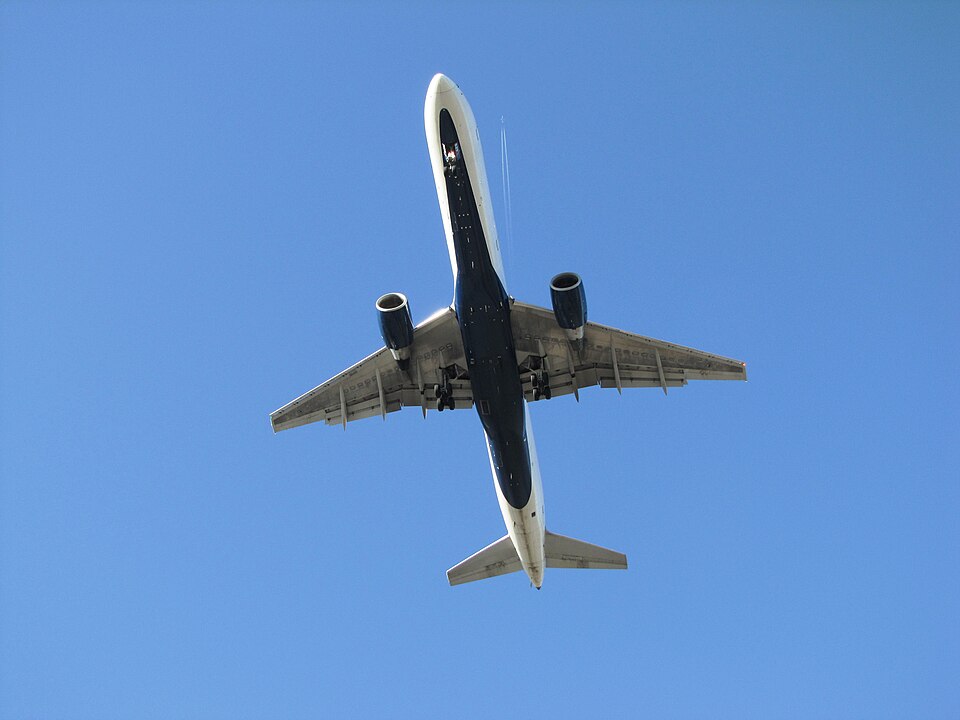
As the aircraft floated above the runway threshold area, it eventually settled back onto the ground. Upon initial touchdown, the spoilers were deployed as intended to aid in deceleration. However, the combination of the skipped landing dynamics and the continued forward control input caused the aircraft's nose to pitch up unexpectedly. This upward rotation resulted in a tail strike, where the rear fuselage made contact with the runway surface.
The investigation
Post-incident inspection revealed specific damage consistent with the described flight path. The primary impact occurred at the rear of the aircraft. The skin of the belly section sustained minor damage from the scraping contact. Additionally, external components located on the lower aft fuselage were affected. One antenna was damaged during the event, and an overboard vent mast also suffered harm due to the tail strike.
Findings
The sequence of events indicates that the initial skipped landing created a unstable energy state. The decision to maintain forward pressure on the control yoke after the float contributed to the subsequent pitch-up attitude upon touchdown. This attitude, combined with the deployment of spoilers which can affect pitch moments depending on airspeed and configuration, led directly to the tail strike. The damage was limited to the skin, one antenna, and an overboard vent mast, indicating no structural compromise to the primary fuselage framework.