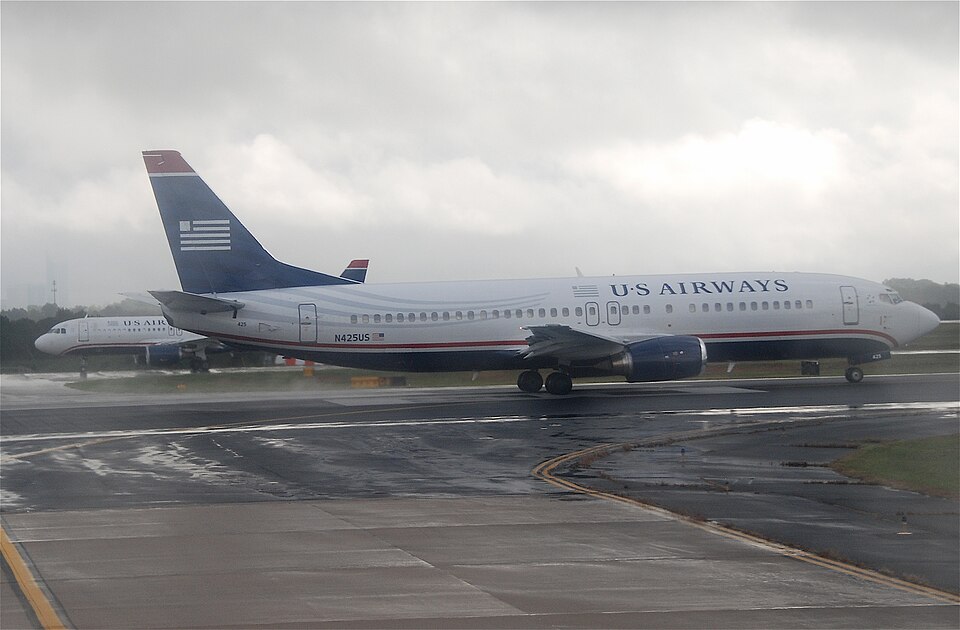
Incident
A flight departed with the flightcrew aware that the anti-skid system was inoperative. Prior to landing at the destination airport, the flightcrew requested and was granted the longest runway. During pre-landing preparations, the crew performed normal cockpit duties and discussed the inoperative anti-skid system. Approximately 2 seconds after touchdown, the left main tires blew. The local controller advised the flightcrew that the airplane was trailing smoke. After the airplane came to a stop, the captain initiated an evacuation.
Examination Findings
Examination of the airplane revealed that the left main landing gear outboard and inboard tires, wheels, and brakes were ground away. No other failures or malfunctions were found, aside from the source of the inoperative anti-skid system warning. Data retrieved from the Digital Flight Data Recorder (DFDR) did not reveal any system failures or malfunctions that would have affected handling or braking characteristics, other than the inoperative anti-skid system.
Pilot Actions and Documentation
With the anti-skid system disabled, the pilot flying could prematurely apply braking during touchdown, causing a wheel to lock and the associated tires to blow. The quick reference handbook (QRH) stated: "after landing use minimum braking consistent with runway." The minimum equipment list (MEL) stated: "brake with caution." However, both documents did not provide specific information on the effects of an inoperative anti-skid system on spoiler deployment and/or touchdown protection.