What happened
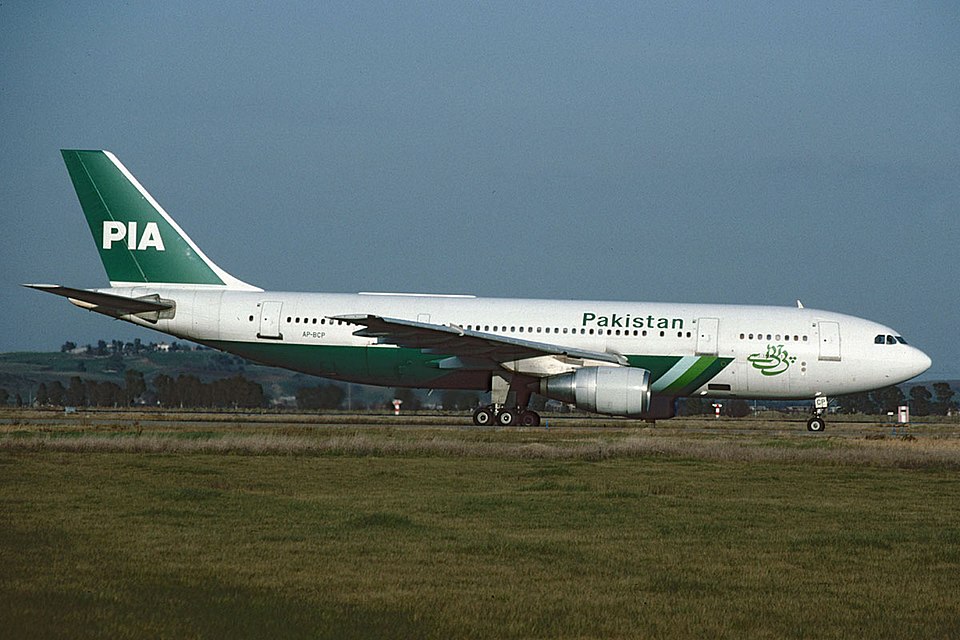
On 28 September 1992, Pakistan International Airlines Flight 268, an Airbus A300, departed Karachi, Pakistan, for a non-stop flight to Kathmandu, Nepal. The flight proceeded normally through Pakistani and Indian airspace before entering the Kathmandu terminal area. During the instrument approach to Tribhuvan International Airport, the crew was navigating via the Sierra approach using VOR/DME navigation.
As the aircraft progressed through various distance measuring equipment (DME) fixes, the crew maintained radio contact with Kathmandu Tower. At 08:44 UTC, the co-pilot reported passing the 10 DME position. Shortly thereafter, when asked to report their altitude, the co-pilot indicated they had descended below 8,500 feet. Despite receiving clearance for the final approach, the aircraft struck a cloud-obscured mountainside at an elevation of 7,280 feet. The impact resulted in 167 fatalities, leaving no survivors.
Findings
Investigations into the crash determined that the primary cause was that the flight crew failed to adhere to the prescribed approach procedure. Specifically, the pilots adopted a descent profile that was consistently one altitude step below and ahead of the required levels at each DME fix. This error was compounded by several contributing factors:
- The co-pilot misreported the aircraft's altitude by 1,000 feet when passing the 16 DME fix.
- The Sierra approach is a highly complex procedure that proved difficult for wide-body aircraft to execute precisely.
- The approach charts contained a profile that was technically difficult to fly in an Airbus A300 at approach speed.
- The crew had not operated this specific destination within the previous two months, which may have impacted their familiarity with the terrain and procedure.
- The pilots descended below the minimum safe altitude for the portion of the approach being flown.
- While the air traffic controller failed to challenge the low altitude reported at 10 DME, it was determined that an intervention might not have prevented the impact.