What happened
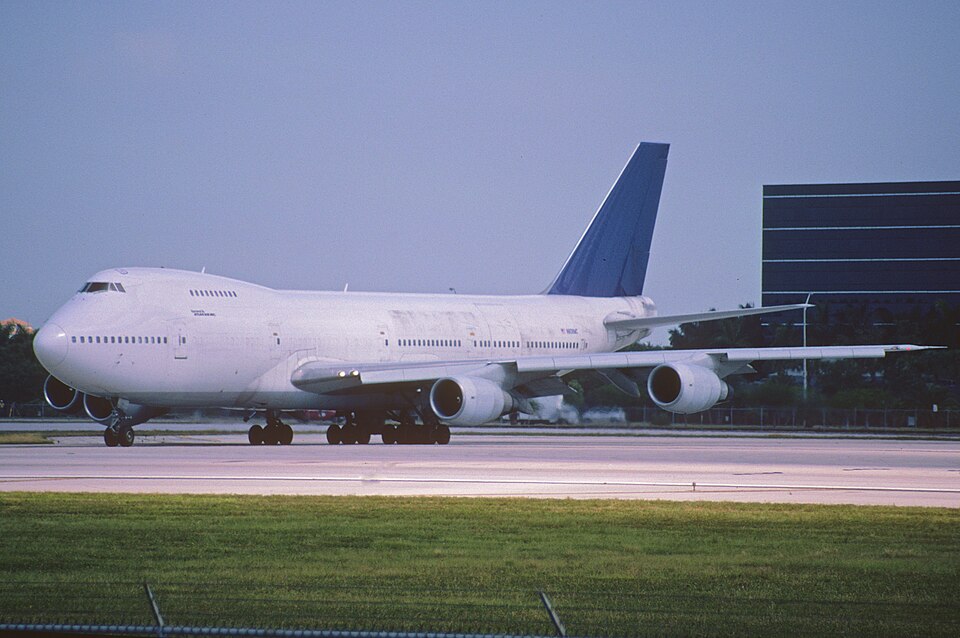
A cargo flight traveling from Dubai to Düsseldorf was on approach to runway 23L during the early morning hours. While the crew had previously been informed that braking action was good, ongoing snowfall led to changing surface conditions. At approximately 05:50, radar controllers notified the crew that while friction tests were currently reporting good action, the situation might deteriorate due to continuous snow. Shortly after, the controller updated the flight regarding a slight tailwind and reduced visibility caused by snow showers.
Upon contacting Düsseldorf Tower, the crew was informed that braking action had been measured at medium across the runway. As the aircraft approached the field, heavy snow further reduced visibility, with the runway visual range dropping to 900 meters at the touchdown zone. The flight was cleared to land and touched down approximately 1,700 feet past the runway threshold. Despite the deployment of thrust reversers, ground spoilers, and autobrakes set to medium, the aircraft failed to decelerate sufficiently. The pilot attempted manual braking, but the Boeing 747 (implied cargo context) could not be stopped before exiting the runway end.
The overrun resulted in a collision with ILS equipment, which triggered fires in engines number two and three. There were 3 fatalities reported as none; all 3 crew members evacuated the aircraft safely. The aircraft sustained damage that rendered it a total loss.
Findings
Investigations determined that the primary cause of the accident was that the braking action values communicated to the flight crew no longer reflected the actual runway conditions, which had degraded due to heavy snowfall following the last measurement. Contributing factors included the rapidly changing weather environment and the absence of a measurement method capable of providing reliable braking coefficient data under all weather conditions.