Incident Overview
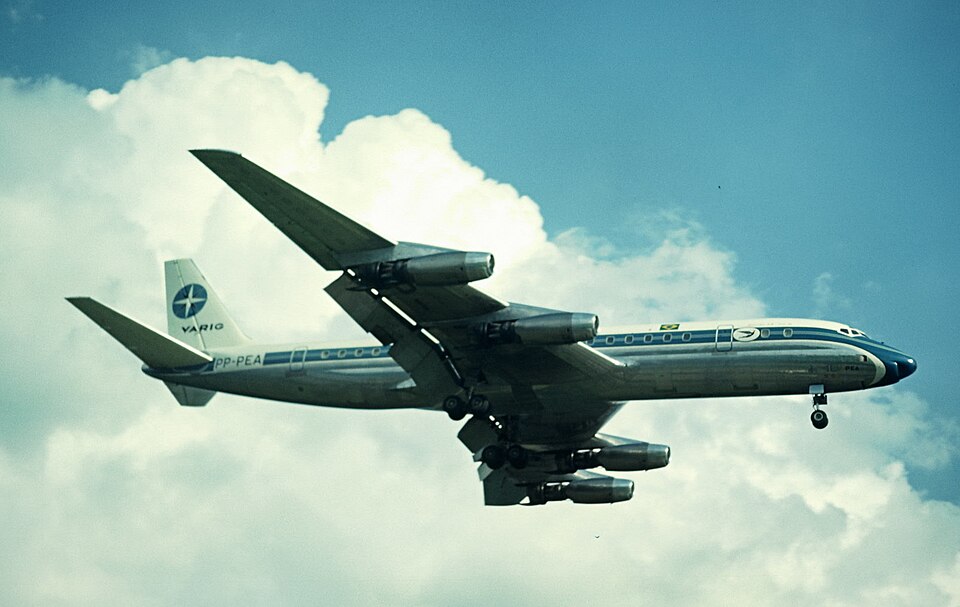
On a scheduled flight from Rome-Fiumicino to Monrovia, Liberia, VARIG Flight RG837 departed at 21:08 GMT. The aircraft, identified as a DC-8, proceeded uneventfully until the crew reported at FL45 near the Roberts VOR. Air Traffic Control cleared the flight to descend to 3,000 feet on the VOR with a QNH of 1009 mb. Although the QNH was read back correctly, the crew did not acknowledge the descent clearance, and the pilot-in-command continued to the VOR at FL45 (4,500 feet).
Approach and Descent
Upon sighting the runway lights from overhead, the pilot elected to perform an IFR/VOR procedure. The aircraft descended from 4,500 feet at speeds between 170 and 210 knots, with a descent rate of 500 to 700 feet per minute. As the aircraft approached the coastline at 1,800 feet on a heading of 047 degrees, the co-pilot reported the runway in sight. The pilot did not utilize the Distance Measuring Equipment (DME) during this phase.
Critical Phase and Impact
After the procedure turn, the approach was flown manually. At approximately 1,000 feet, full flaps were deployed. The aircraft then entered stratus and fog patches. Over the FR locator beacon, located 1.7 nautical miles before the runway threshold, the aircraft was at an altitude of about 800 feet, whereas the correct altitude should have been 520 feet. Recognizing the error, the pilot increased the descent rate to 1,200–1,500 feet per minute by reducing power and pitching down, intending to arrest the descent at 500 feet.
The attempt to level off was insufficient or too late. The aircraft impacted the ground 6,023 feet short of the threshold of runway 04 and 180 feet to the right of the extended centerline. Following a ground slide of approximately 850 feet, the aircraft broke up and caught fire, resulting in total destruction.
Casualties and Findings
The accident resulted in the deaths of one crew member, 50 passengers, and five people on a nearby house. The official probable cause was determined to be the pilot-in-command's failure to arrest the fast descent at low altitude after erroneously deciding to continue rather than executing a missed approach when found too high over the locator beacon. Contributing factors included the disregard of DME indications, entry into obscuring stratus below 1,000 feet, and an insufficient or late attempt to level off, resulting in a glide path angle of at least 4.5 degrees.