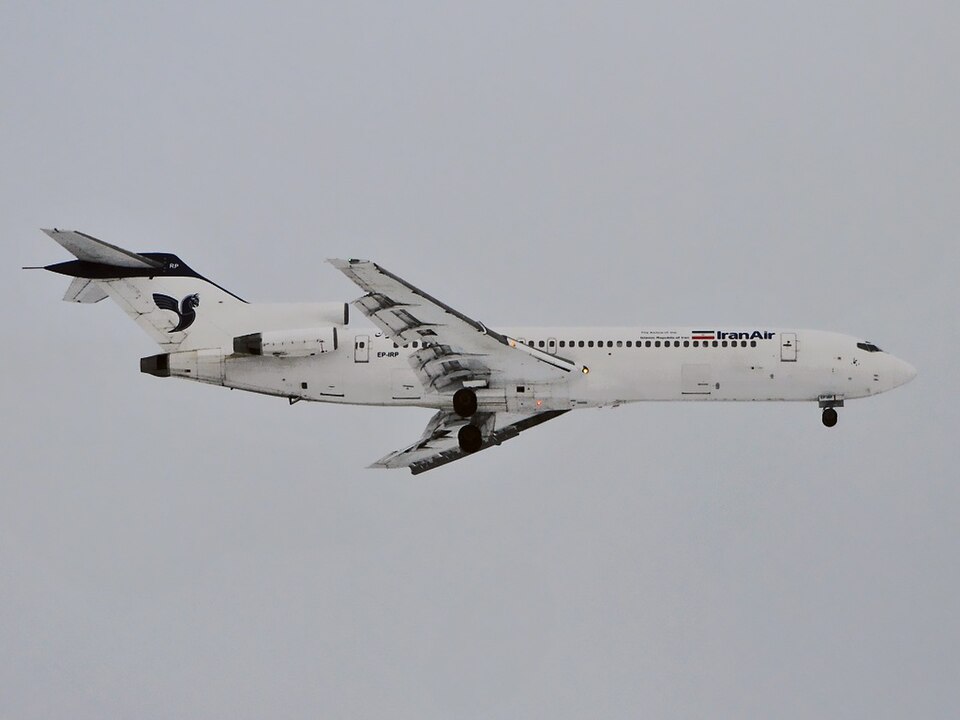
Departure and Weather
The aircraft departed Tehran-Mehrabad Airport at 1815 local time, with a delay of more than two hours due to poor weather conditions at the destination. While descending to Orūmīyeh Airport by night, the crew encountered poor weather conditions with snow, visibility of 800 metres, and three cloud ceilings at 1,500, 2,000, and 6,000 feet.
Approach and Go-Around
The crew was unable to intercept the instrument landing system (ILS) and decided to initiate a go-around procedure. As the aircraft approached stall speed, the stick shaker activated, and the aircraft probably encountered icing conditions.
Engine Failures and Stall
While in a left bank angle estimated between 26 and 40 degrees, engines No. 3 and 1 failed. At an altitude of 600 feet and a speed of 96 knots, the flaps were retracted, causing the aircraft to stall and impact the ground.
Post-Impact and Occupants
The aircraft broke into three sections, but there was no fire. On board were 70 passengers and 8 crew members; all 78 were killed. Additionally, 27 other occupants were injured, some seriously.
Probable Cause
The official investigation determined that bad weather conditions for the aircraft and inappropriate actions by the cockpit crew to confront the situation were the main cause. Contributing factors included: the old technology of aircraft systems, absence of a suitable simulator for adverse weather conditions, failure to correctly follow the operating manual by the flight crew, and inadequate cockpit resource management (CRM).