No fatalities

1995-02-02: Boeing 737-200 (PP-SMV) — VASP - Viação Aérea de São Paulo — São Paulo-Guarulhos, Brazil

São Paulo-Guarulhos, BrazilLanding (descent or approach)

On February 2, 1995, a Boeing 737-200 (registration PP-SMV) operated by VASP - Viação Aérea de São Paulo was involved in an aviation accident near São Paulo-Guarulhos, Brazil during landing or approach. No fatalities were reported. Investigators recorded the probable cause as: It was determined that the n°3 leading edge flap actuator attachment fitting on the wing front spar had fractured due to corrosion. The actuator came away and caused the failure of some hydraulic lines and damage to the thrust control cables. This summary draws on records from the Bureau of Aircraft Accidents Archives (B3A); 8 related events involving the same aircraft type or operator are linked below.

Sourcesthe Bureau of Aircraft Accidents Archives (B3A)Primary reportUpdated 1781208301Data APIEditorial standards
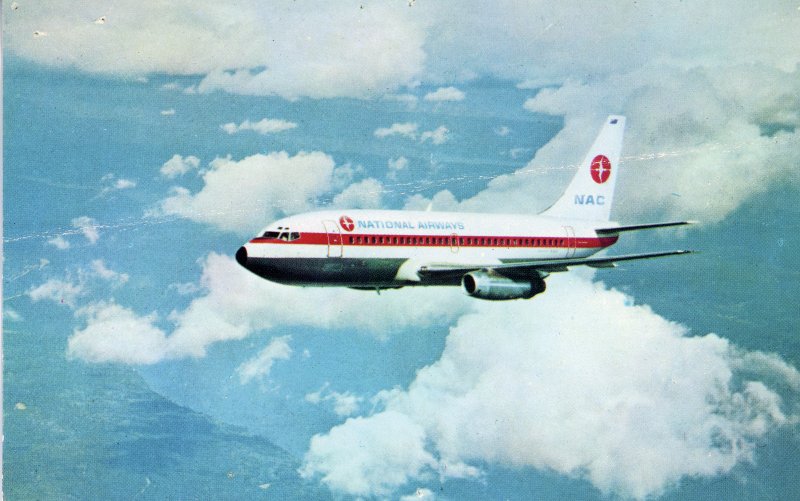
Boeing 737-200
Photo: San Diego Air & Space Museum Archives / Public domain, via Wikimedia Commons

An aircraft overran a wet runway during an emergency landing after reporting technical problems; all 128 occupants evacuated safely with two minor injuries; the aircraft was written off.

Incident Overview

Following a night takeoff from São Paulo-Guarulhos Airport, en route to Buenos Aires, the captain informed air traffic control about technical problems and was cleared to return for an emergency landing. The aircraft landed at a speed of 185 knots with flaps extended to 15° on wet runway 09L. Unable to stop within the remaining distance, the aircraft overran, lost its undercarriage, and came to rest 200 metres further.

Emergency Landing and Evacuation

All 128 occupants were evacuated safely. Among them, two passengers were slightly injured. The aircraft sustained substantial damage and was written off.

Investigation Findings

The investigation determined that the number 3 leading edge flap actuator attachment fitting on the wing front spar had fractured due to corrosion. The actuator came away, causing failure of some hydraulic lines and damage to the thrust control cables. Several 1981 Boeing Service Bulletins had not been complied with, including one that mandated replacement of the aluminum leading edge flap actuator attachment fitting with a steel unit. Contributing factors included: excessive workload on approach and landing due to the emergency, poor approach planning, lack of visibility at night, poor crew coordination and resource management, the crew forgetting to lower the flaps electrically on approach (resulting in an excess speed of 32 knots), poor aircraft maintenance and supervision, and failures in the oversight of the company's operating sector.

Probable cause

It was determined that the n°3 leading edge flap actuator attachment fitting on the wing front spar had fractured due to corrosion. The actuator came away and caused the failure of some hydraulic lines and damage to the thrust control cables. Some 1981 Boeing Service Bulletins had not been complied with. One of these included the replacement of the aluminium leading edge flap actuator attachment fitting with a steel one; this had not been done. The following contributing factors were reported: - Excessive workload on approach and landing due to the emergency situation, - Poor approach planning, - Lack of visibility due to the night, - Poor crew coordination, - Poor crew resources management, - The crew forgot to lower the flaps electrically on approach, causing the speed to be 32 knots in excess, - Poor aircraft maintenance and supervision, - Failures in the supervision of the Company's operating sector.