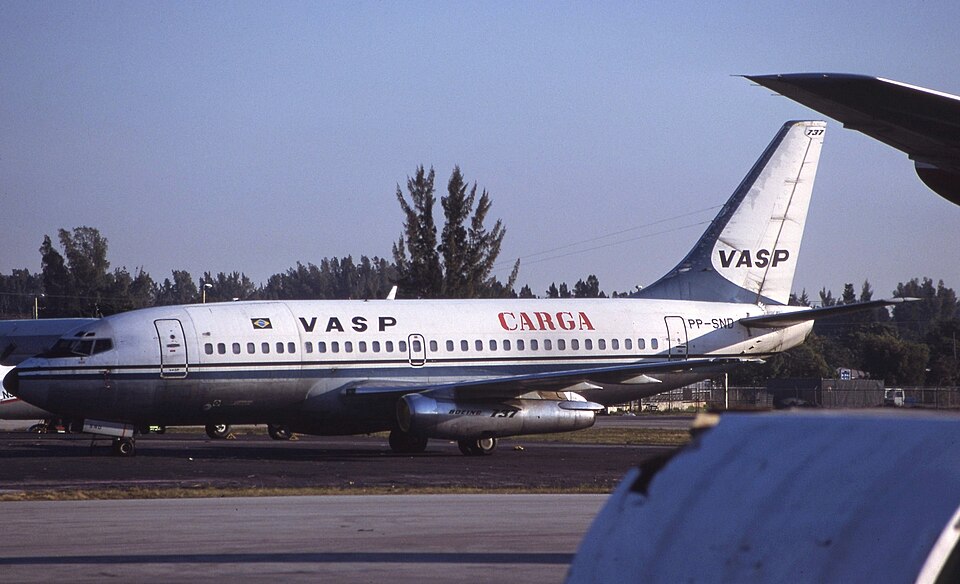
Incident Summary
On a night descent under good weather conditions, the crew of an aircraft encountered intermittent activation of a cargo compartment fire warning light in the instrument panel. While on final approach to Cruzeiro do Sul Airport, the aircraft struck trees and crashed in a dense wooded area located in hilly terrain. The wreckage was found 15 km from runway 10 threshold. All three occupants were killed.
Investigation Findings
Official investigation findings addressed several factors. No human physiological aspects were found to contribute. Psychological aspects contributed through the generation of a high level of anxiety to perform the landing and in the diversion of the focus of attention during approach maneuvers, influenced by the activation of the smoke alarm which increased workload. Material factors showed no indications of involvement.
Operational factors included deficient instruction: although instruction followed standards, the failures were characteristic of lack of experience in facing abnormalities simultaneously with maintaining flight control, which could have been avoided with more adequate simulator training involving cockpit management. Poor maintenance was undetermined; the cause of the 'Aft Cargo Smoke' alarm activation could not be determined. Deficient cockpit coordination occurred through inadequate performance of duties; procedures for descent by instrument were modified and some deleted due to the smoke alarm.
Influence of the environment: the dark night contributed to the 'black hole' phenomenon, making it difficult to perceive external references for vertical distance from the ground. Deficient oversight at cockpit level involved inadequate management of resources; company-level oversight failed to identify the need for and provide cockpit management training, and was inadequate in assigning two pilots unfamiliar with the airplane to the same mission in night operation. Other operational aspects included failure to comply with several callouts, non-use of the radio altimeter, and inadequate use of the altitude alert.
Probable Cause
The official probable cause was a combination of psychological and operational factors: psychological stress from the smoke alarm causing anxiety and distraction; deficient instruction regarding handling abnormalities; deficient cockpit coordination; environmental conditions (dark night leading to black hole effect); deficient oversight at cockpit and company levels (inadequate resource management, lack of training, and assignment of unfamiliar pilots); and non-compliance with standard procedures (callouts, radio altimeter, altitude alert). The maintenance factor could not be determined.