Incident Overview
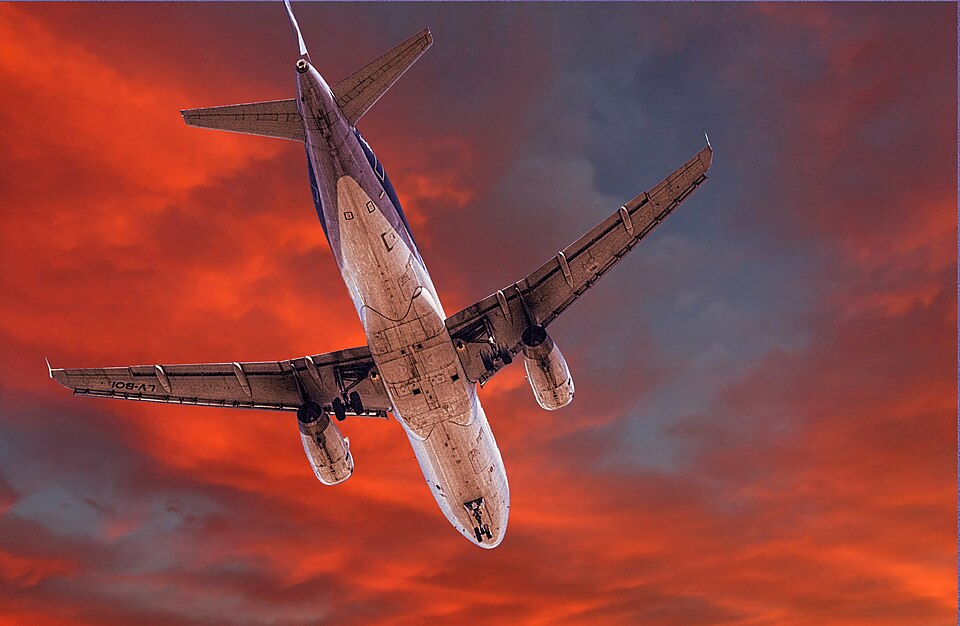
On 15 May 2018, a runway incursion occurred at Aeroparque Jorge Newbery in Buenos Aires, Argentina, involving two aircraft: a Latam Argentina Airbus A320 (registration LV-BOI) and an Austral Embraer 190 (registration LV-CPK). The Airbus A320 was preparing for a commercial departure on runway 13 while the Embraer 190 was being towed from the commercial apron to the industrial apron, a route that required crossing the active runway via taxiway 3.
Sequence of Events
The air traffic control tower instructed the Airbus A320 to occupy and depart from runway 13. Simultaneously, on the surface frequency, a controller authorized the Embraer 190 to cross runway 13 during its tow. As the Airbus A320 began its takeoff roll, its crew saw the Embraer 190 crossing the runway at taxiway 3. The crew of the A320 aborted the takeoff at approximately 60 knots. After the aircraft was under control, the commander exited the runway via taxiway 4 and informed the crew and passengers of the situation.
Communications and Control
Communications between the Airbus A320 and the tower on the primary frequency were fluid and uninterrupted. Communications between the Embraer 190 and the tower on the surface frequency also proceeded without interruption. The investigation found that the surface frequency was used to authorize the runway crossing, a practice that was not documented. Airlines had adapted their procedures based on the use of this frequency. The investigation verified that the use of the surface frequency for runway crossing by the air navigation service provider, Empresa Argentina de Navegación Aérea (EANA), did not comply with the recommendation in ICAO Document 9870 (Runway Incursion), Appendix 2, paragraph 4, which states that communications with any aircraft concerning the use of a runway for taxiing purposes should be transferred from the ground controller to the aerodrome controller before the aircraft enters or crosses a runway.
Contributing Factors
The incident occurred during the provision of services by the Aeroparque control tower. The absence of the controller responsible for the surface frequency contributed to the situation; that controller had left to check an air conditioning unit in another room. After the runway was vacated, air traffic control asked the Airbus A320 to remain on the primary frequency because the surface frequency controller was absent.