What happened
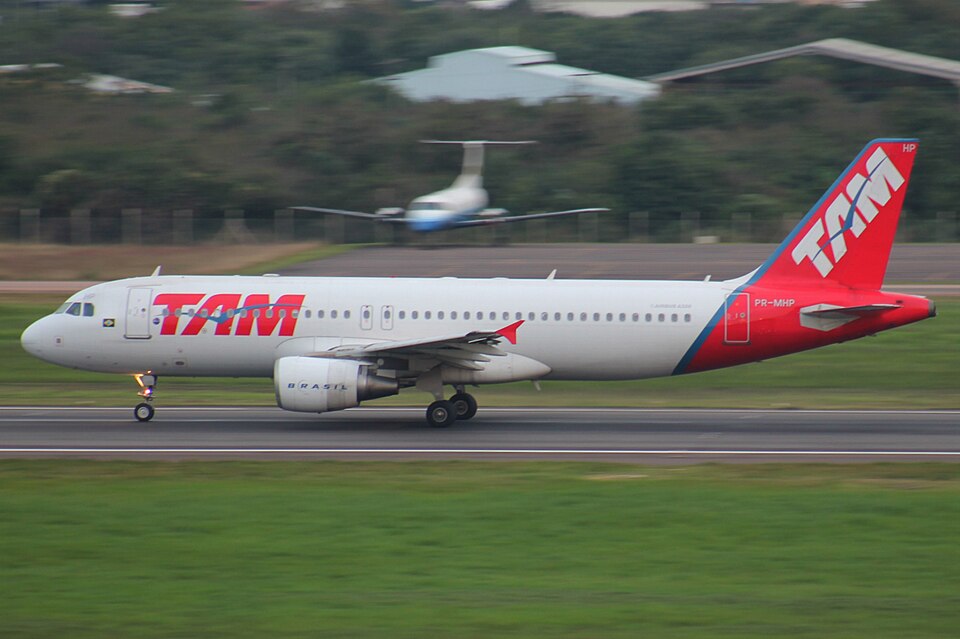
On October 31, 2018, at approximately 03:20 local time, an Airbus A320-214, registration PR-MHP, was conducting a scheduled international commercial flight. The aircraft was traveling from San Pablo/Guarulhos, Brazil, via Santiago, Chile, when it encountered severe weather conditions near Vertical Posadas in the Misiones Province of Argentina.
While navigating the airspace, the aircraft crossed through a region of active thunderstorms. The intensity of the weather resulted in physical damage to non-structural components of the airframe, specifically affecting the radome and the windshield. Following the encounter, the crew initiated a diversion to the designated alternate airport, Ezeiza International Airport, where the aircraft landed safely without further incident.
The investigation
The investigation focused on the impact of the meteorological conditions on the aircraft's structural integrity. Investigators examined the damage sustained by the non-structural components and the flight path taken through the storm cells. The inquiry established that the aircraft was operating under Instrument Meteorological Conditions (IMC) at the time of the encounter.
Findings
- The primary cause of the damage was the encounter with a thunderstorm cell during the flight.
- The impact of the weather resulted in damage to the aircraft's radome and windshield.
- The crew successfully managed the situation by diverting to an alternate airport.
- There were no injuries reported among the 170 occupants on board.