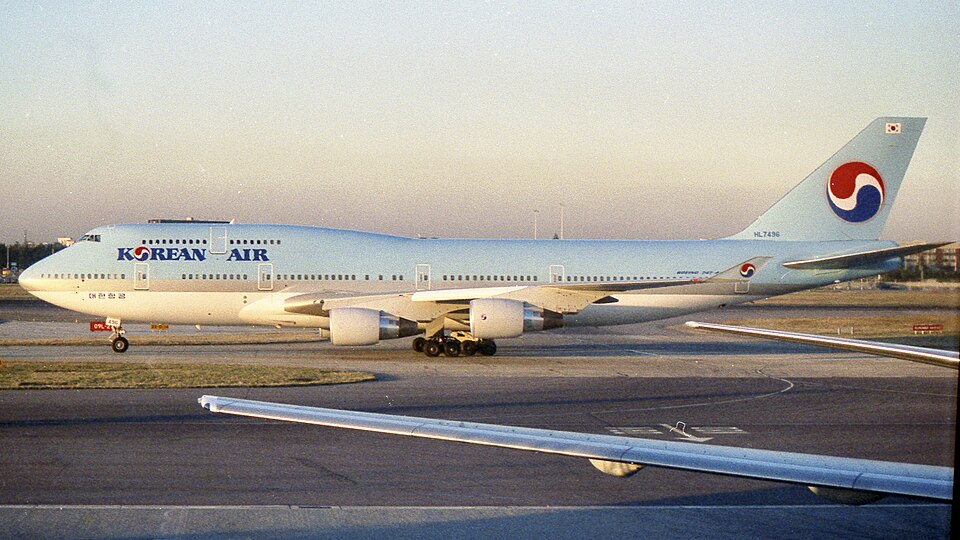
Event
A flight originally planned as a direct service from Tokyo-Narita to Seoul was diverted to Jeju due to poor weather conditions at the destination. The aircraft departed Jeju Airport at 2107 local time for the final leg to Seoul-Gimpo Airport. At the destination, weather conditions remained poor, with heavy rain and wind from 220 degrees gusting to 22 knots.
After touchdown on runway 14R, the crew initiated the braking procedure. However, the aircraft deviated to the right and veered off the runway. Upon contacting soft ground, the aircraft lost its undercarriage and came to rest. All 395 occupants evacuated the aircraft; among them, 20 were slightly injured. The aircraft was damaged beyond repair.
Probable Cause
The official investigation determined that the loss of control after touchdown was the consequence of the captain's misuse of the thrust reverser during the landing roll and his confusion over crosswind conditions. Investigations revealed that after touchdown, the No. 1 engine thrust reverser did not deploy because the No. 1 engine power lever's position did not allow the reverser to be deployed. The following contributing factors were identified: poor weather conditions, crosswind component, wet runway surface, and poor braking action.