Incident Overview
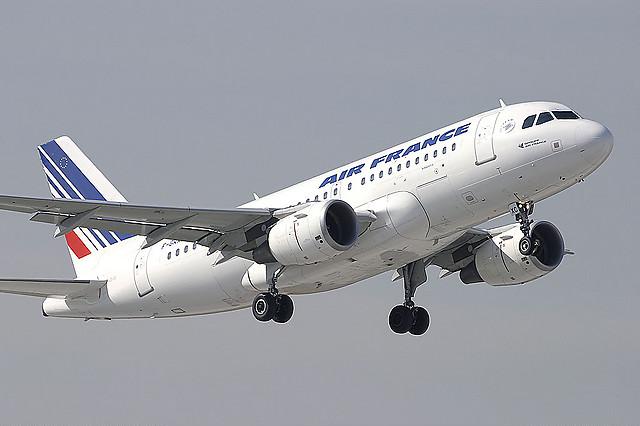
On August 8, 2011, Air France Flight AFR1896, an Airbus A320 registered as F-GRXC, was operating a scheduled commercial service from Paris Charles de Gaulle to Casablanca Mohammed V. The incident occurred during the arrival phase at the destination airport.
Sequence of Events
At 08:10 UTC, the flight crew contacted approach control and received instructions to descend to Flight Level 50 and prepare for an instrument guidance approach to runway 35L. By 08:18 UTC, the crew reported being in sight of the airport facilities and requested a visual approach. Approach control approved this request and instructed the crew to continue visually for a final approach to runway 35L.
At 08:20 UTC, after contacting the tower, the crew was asked to report their position on final for runway 35L. At 08:22 UTC, the crew confirmed they were authorized to land on "35 Left." However, at 08:24 UTC, another station announced that an Air France aircraft had landed on runway 35 Right. The crew of AFR1896 immediately acknowledged this information, stating, "Yes 1896, we received you well, and hoping for visual approach, indeed we made a mistake of runway in visual approach, thank you."
Investigation Findings
The Moroccan Directorate General of Civil Aviation classified the event as a serious incident. The investigation focused on crew resource management, communication between the flight deck and air traffic control, and historical patterns of runway confusion at Casablanca Mohammed V. Meteorological conditions were favorable, with good visibility exceeding 10 km and few clouds. No injuries or damage to the aircraft were reported.